Computational Astrophysics: Projects
Projects
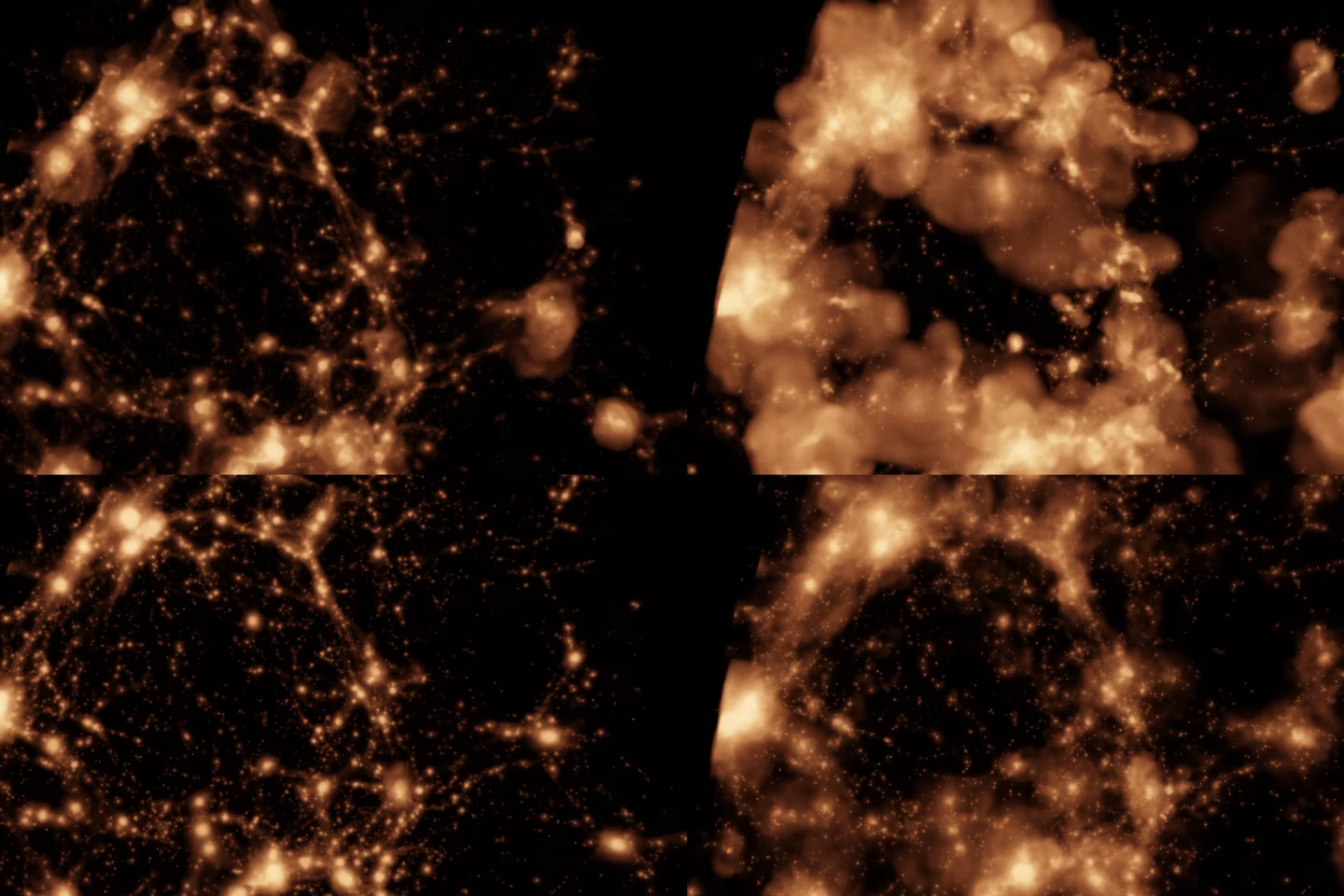
A suite of N-body and state-of-the-art hydrodynamic simulations of cosmological structure formation in the non-linear regime.
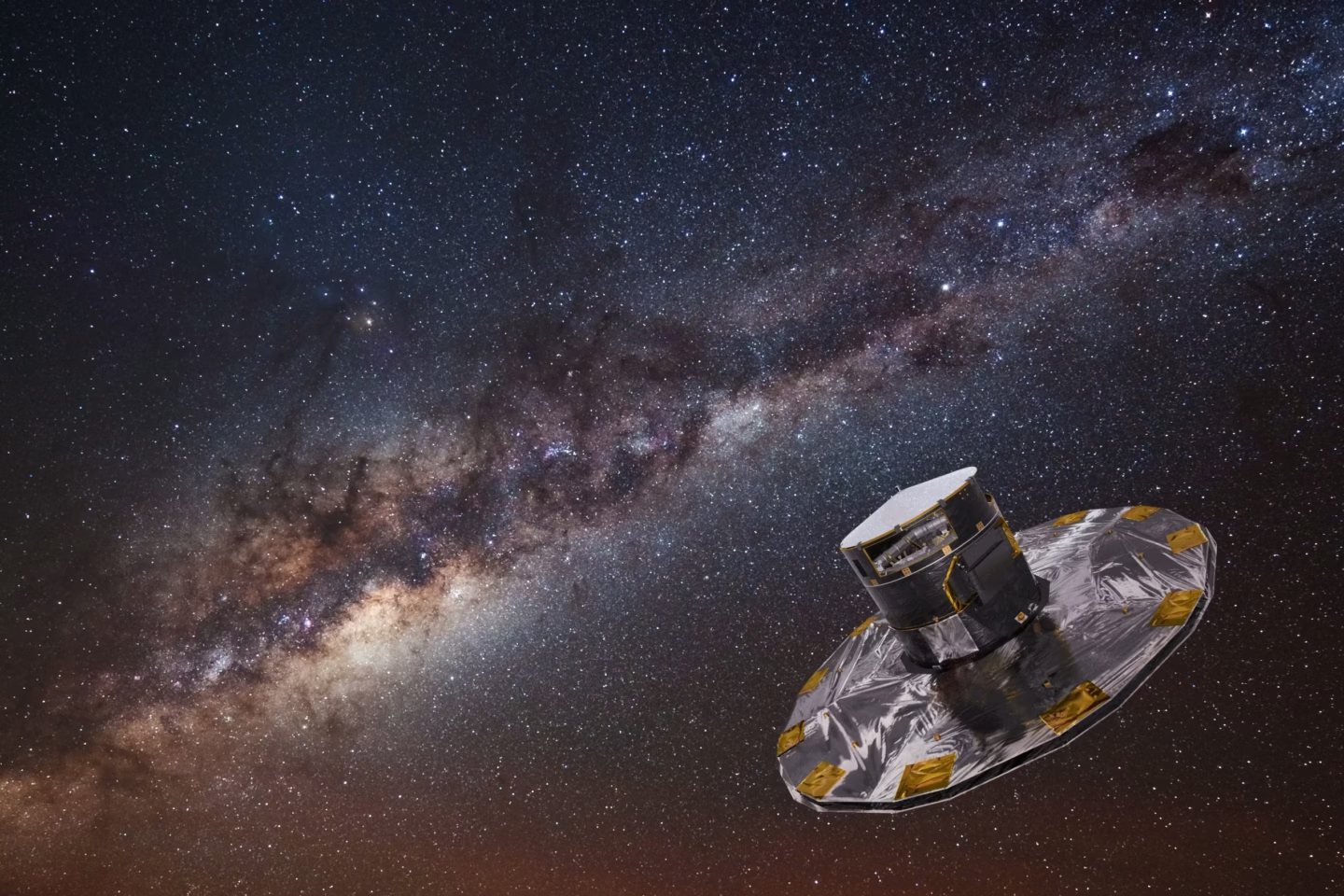
Gaia is a European Space Agency mission that is building the largest, most precise map of our galaxy by surveying nearly two billion objects. The many instruments on the Gaia spacecraft measure astrometry, photometry and spectroscopy for these sources, enabling a multi-dimensional view of the stars and structures in the Milky Way.
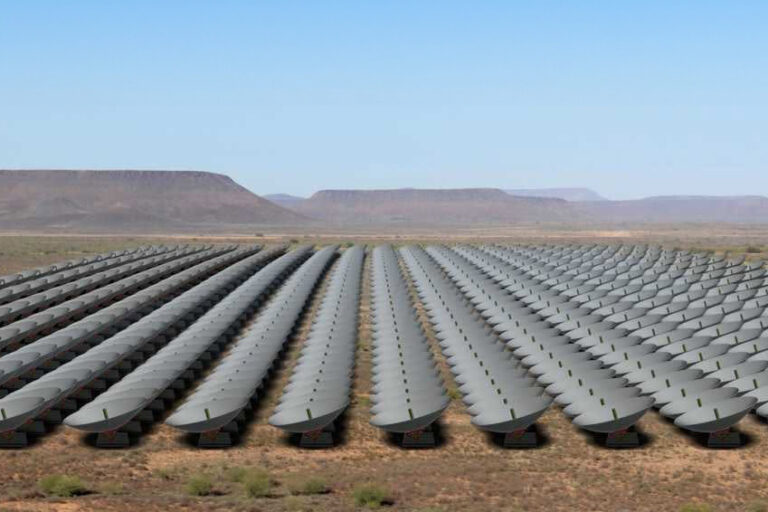
The Hydrogen Intensity and Real-time Analysis eXperiment (HIRAX) is a radio telescope array that will map nearly all of the southern sky in radio continuum and neutral hydrogen line emission over a frequency range of 400 to 800 MHz.
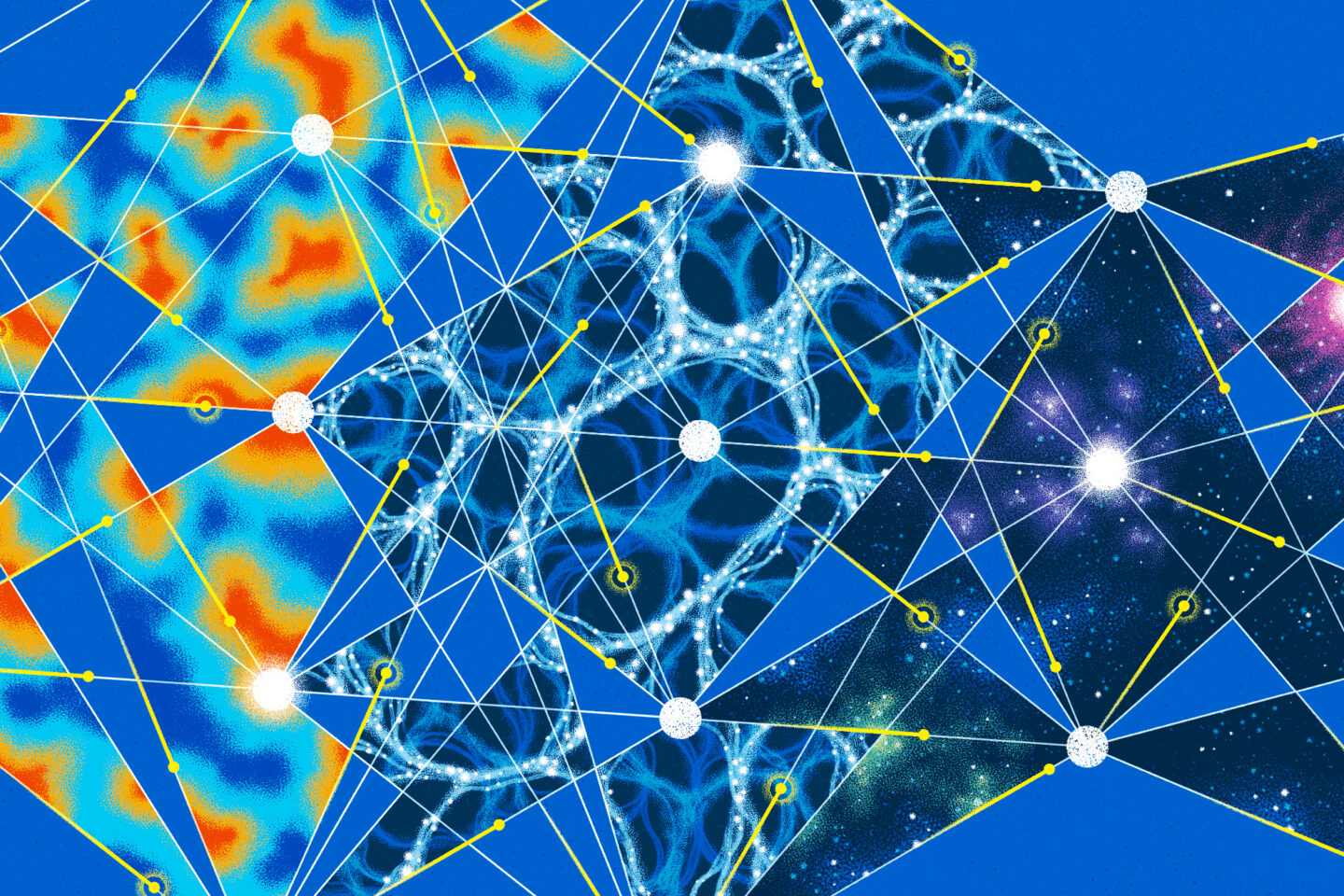
This Simons Collaboration develops new simulations and machine learning tools to better understand galaxy formation and the evolution of the Universe.
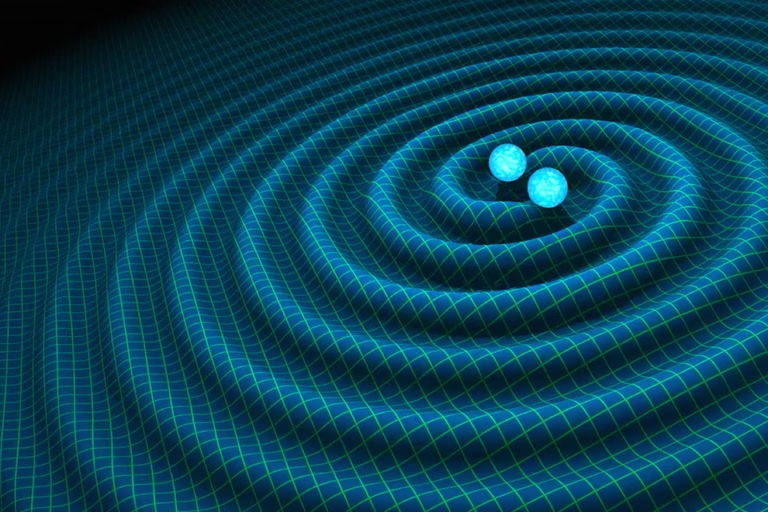
The Laser Interferometer Gravitational-Wave Observatory (LIGO) was designed to open the field of gravitational-wave astrophysics through the direct detection of these waves, predicted by Albert Einstein’s general theory of relativity.
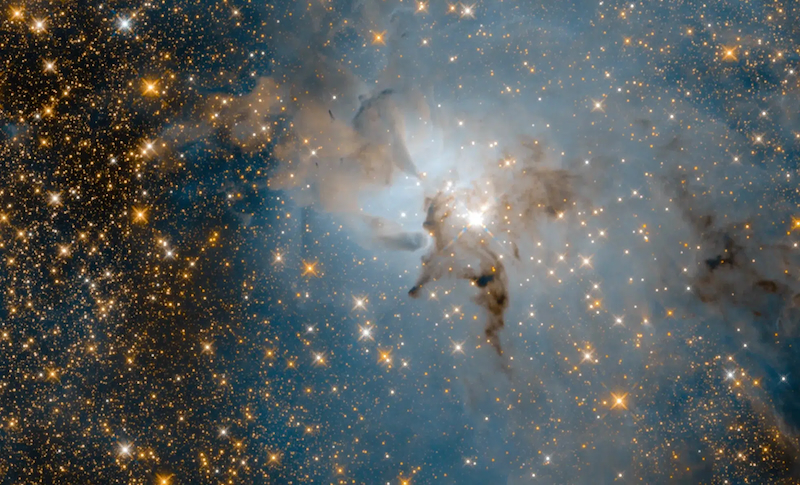
The fifth Sloan Digital Sky Survey (SDSS-V) is an all-sky, multi-epoch spectroscopic survey that will yield optical and infrared spectra of over 6 million objects during its five-year lifetime (2020–2025).
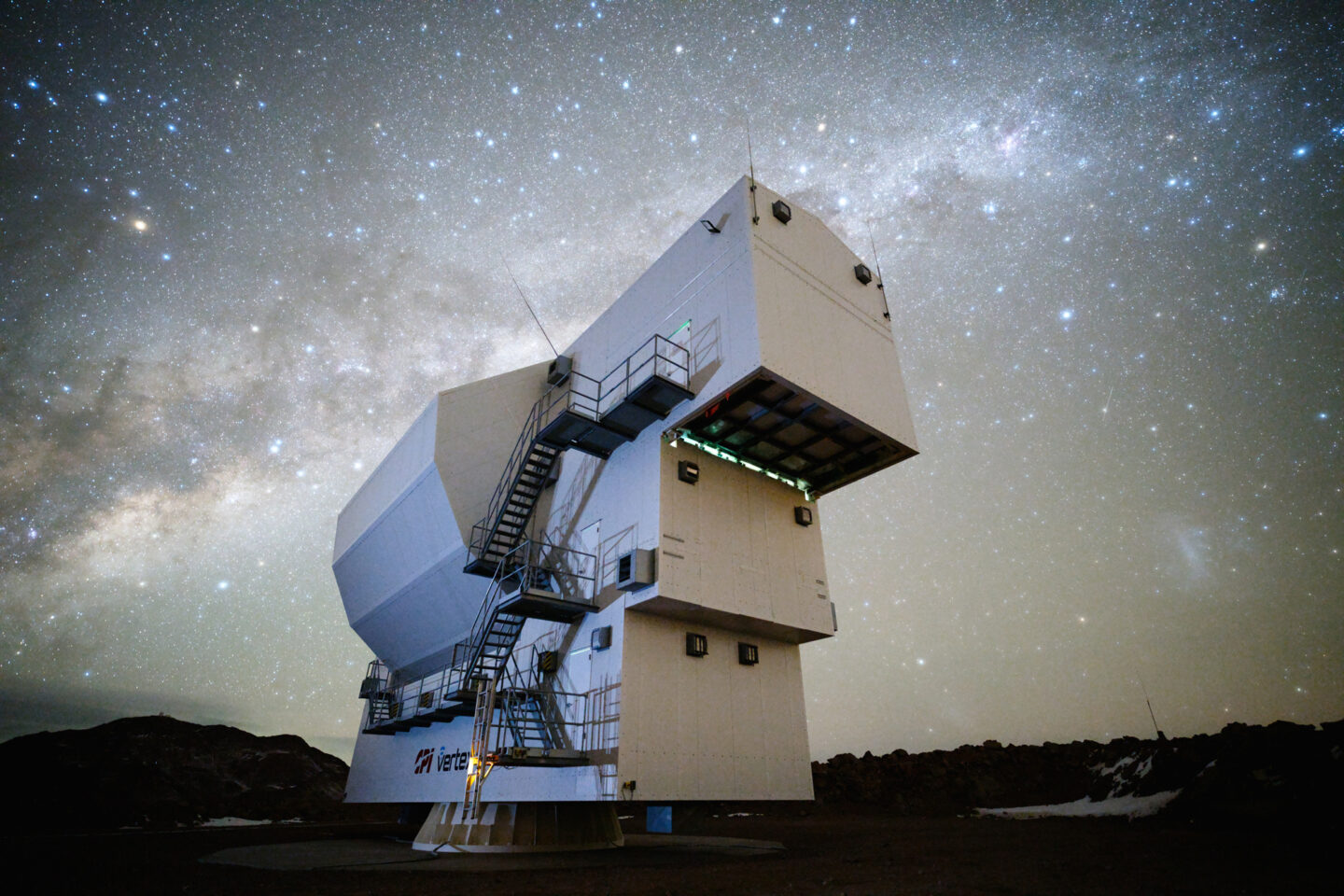
A new-generation cosmic microwave background observatory located in Chile’s Atacama Desert.

The Terra Hunting Experiment (THE) is a project to discover Earth-mass planets in Earth-like orbits around sun-like stars. It will deploy a new state-of-the-art spectrograph that can determine velocities of stars (Doppler shifts) at precisions measured in centimeters per second.