Fellows-to-Faculty Alum Gabriela Rosenblau Dives Deep Into Social Learning in Autism
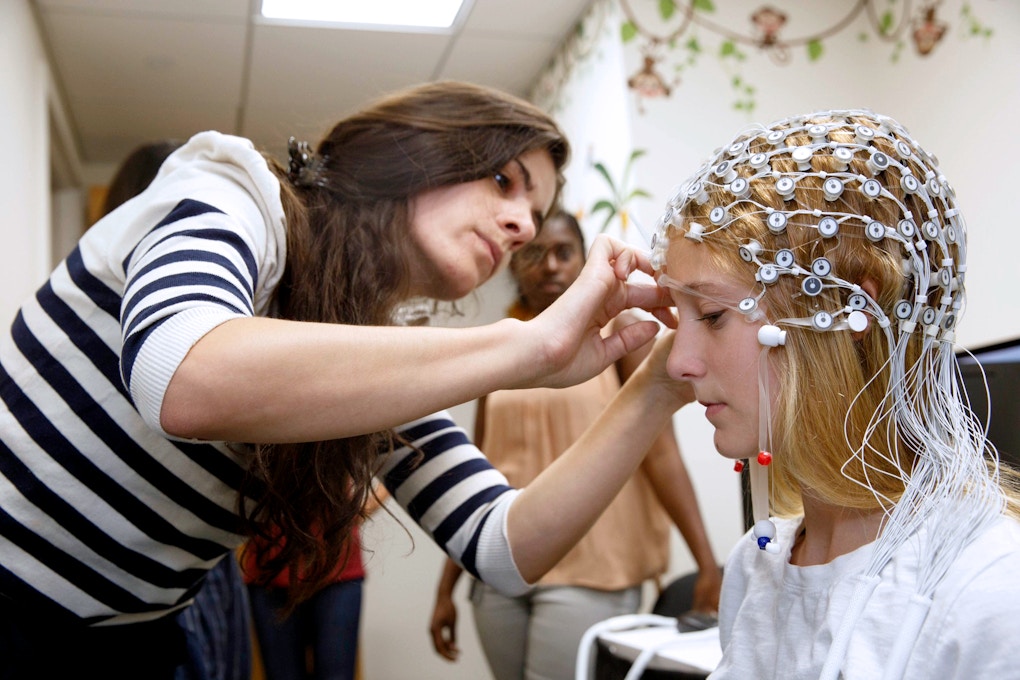
Gabriela Rosenblau, an associate professor at George Washington University, is interested in how we learn about others and how this process is altered in autism. She explores these questions with computational modeling, magnetic resonance imaging and behavioral tasks that probe social learning and cooperation.
As a 2018 Fellows-to-Faculty awardee (then called Bridge to Independence), Rosenblau received funding from the Simons Foundation to support her lab and a project aimed at understanding the computational and neural mechanisms of social learning. Rosenblau recently spoke to us about her work, the impact of the Fellows-to-Faculty award and her advice for early-career scientists.
How did you get interested in autism and in child development?
I always had an interest in child development and child psychopathology. At the Free University Berlin and the Max Planck Institute for Human Development, I assisted with research on learning outcomes and trajectories in kids. Then I pivoted towards neuroscience and understanding neurodevelopment by studying adults with and without an autism diagnosis. It wasn’t until I moved to the Yale Child Study Center to do my postdoc with Kevin Pelphrey that I started to examine the developing brain in autism using neuroimaging to identify neural signatures of various cognitive functions.
How does your lab approach social learning in autism?
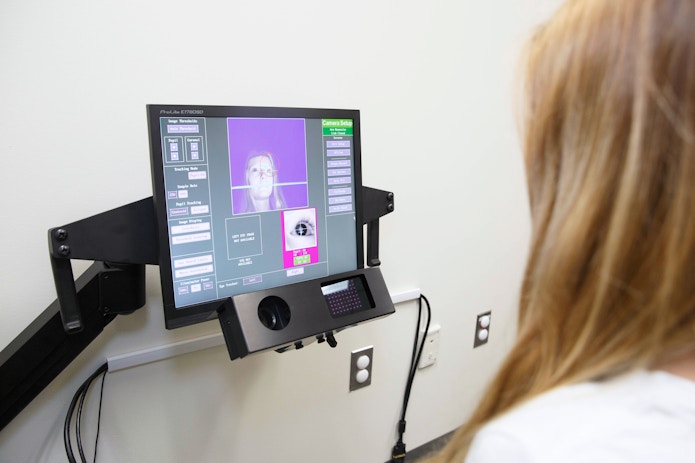
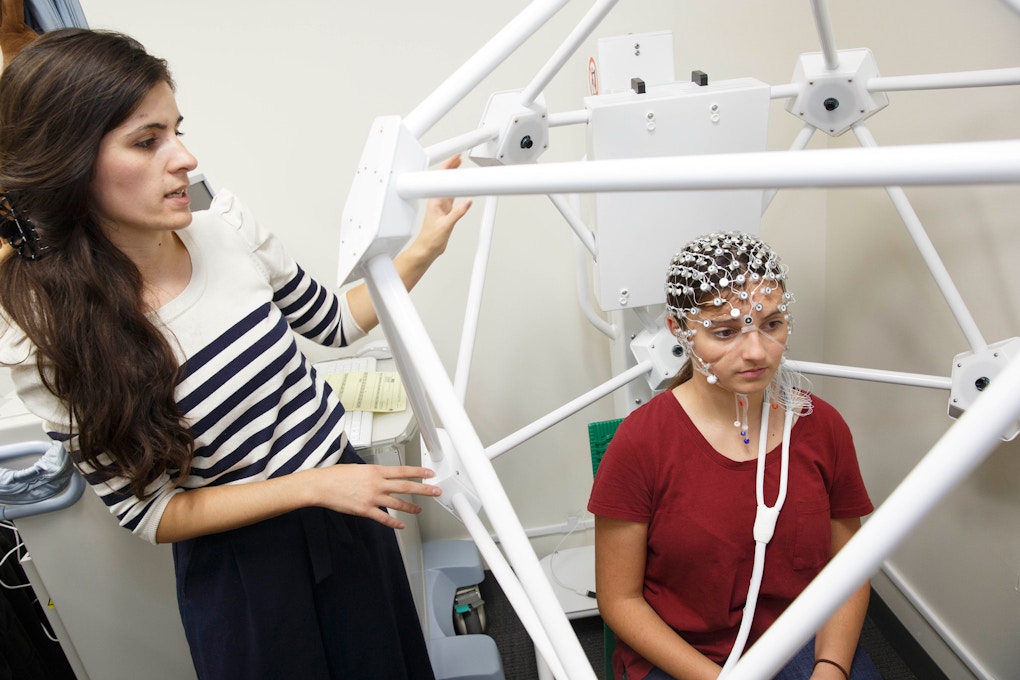
My lab studies social learning in terms of learning about another person’s interests and food preferences or about their personalities. We do this to understand how people update their initial beliefs or impressions about others. We use behavioral tasks that ask people to say how much another person likes and dislikes things or how much traits like friendly, helpful or cooperative describe the other person. We also look at how kids decide to cooperate with others or not based on what they learn about them. We devised a set of computational models that describe what type of knowledge participants bring to the tasks and how they update information, and we’ve seen differences in both of these aspects in autism. We also test differences in brain regions that support this type of learning.
What has been an exciting finding from your lab?
We found that in 8- to 12-year-olds, kids with autism were more rational: if they found out that the other person is not trustworthy, they just wouldn’t take a chance on cooperating with that person. In contrast, kids without autism were more likely to engage with kids that weren’t trustworthy. Also, we observed that, in autism, there might be a disconnect between different kinds of social decisions. In kids without autism, cooperation in lab-based games predicted parent-reported social skills, but this relationship was much weaker in the autism group, so how they play in these strategic environments may not generalize to other social domains like initiating conversation and making friends.
What made you decide to apply for the fellowship?
I was in the last stages of my postdoc when I came across the funding opportunity. It was this critical moment of ‘can I do this next step right and be an independent investigator?’ and there were very few awards that would allow for this transition. I wasn’t really sure whether this would be a good fit for me. But my mentor said, “You have this kind of mechanistic computational approach and are looking more for brain circuits at the higher level and behavioral patterns and linking those two. You should go for it.”
How has this fellowship influenced what you do now?
It was the most important stepping stone for my first R01 NIH grant. I couldn’t have been awarded that grant without the pilot data and without all the ideas and setup that I did through the fellowship. I’m expanding on these original ideas now with more nuanced assessments and larger groups because as a field, we are realizing that the large variability in individuals with the same diagnoses hinders our understanding of the causes and potential treatments. We are not only looking at group differences, but really at capturing variability within the larger autism group and tying similarities and differences in social learning to clinical and neurobiological profiles. We have been partnering with the Simons Foundation’s service called Research Match, which enables approved researchers to recontact participants in SFARI’s cohorts, to recruit over 800 autistic 8- to 12-year-olds to extend our findings on social learning. We are aiming to link social learning to rigidity and other autism symptom profiles in order to identify various subgroups of more similar kids.
How else is this fellowship different from other postdoc awards?
The faculty grant is activated only when you get a tenure-track faculty position. And the Simons Foundation team coaches you as you find a position suitable for your research. So, you’re in this nice negotiating space where the university has to make an investment in you in order for you to accept the grant. That was kind of a dream combination.
Were you surprised when you got the fellowship?
I was very, very surprised. To be perfectly honest, I actually had thought my research career might end because I wasn’t going to do another postdoc, and I thought it might be time to find a job in industry. I really can thank the Simons Foundation for my career because it wouldn’t have started otherwise.
What else did the award provide for you besides money?
As a postdoc scientist, you know how to do research, but you have no idea how to run your own lab. How do you manage money? How do you manage people? The program offered a lot of workshops and fellows retreats where we were meeting people in the same career stage. We discussed the fellowship and how we went about getting a job or managing our lab. Simons Foundation always invited experts to give us advice about this career step. I really value the fellows community.
Do you feel like the fellowship encouraged you to collaborate with people in different fields?
Absolutely. Once a year or twice a year, for as long as you’re a grantee, you’re invited to the SFARI investigator Meeting, and you can see the whole breadth of research that SFARI funds. There was a lot of cross-pollination at these conferences, and I really benefited from that. They have inspired ideas, and I am starting to think about collaborations with researchers that use animal models of social behavior.
What advice would you give to someone who’s thinking about applying to this fellowship?
First of all, apply. Don’t second guess it. Make clear what you bring to the table and how you will improve the field of autism research. The nice thing about Simons Foundation is that they don’t require you to have worked in autism before. They need to see that you are committed to applying your background and your expertise to move the needle in autism research.