Archives: Events | Page 2 Archives: Events | Page 2

Views Navigation

Event Views Navigation

Today

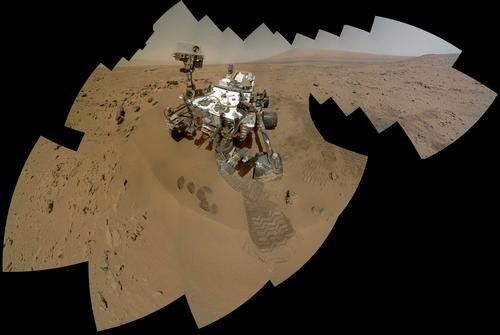
October 14, 2013: The Search for Early Life on Earth and Mars

No one knows when life first colonized planet Earth, nor if or when Mars ever supported life. We see numerous, unequivocal lines of evidence for life on Earth from some 3.5 billion years ago to the present day. But the further back in time we look, the more clues about our earliest ancestors are clouded by doubts, uncertainties and controversies.
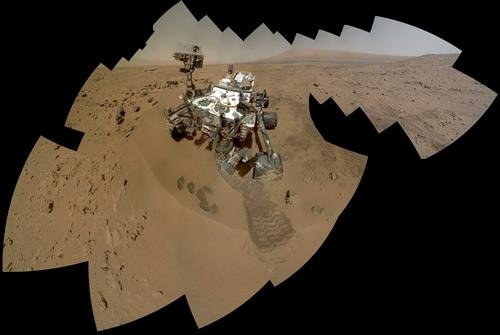
The Search for Early Life on Earth and Mars

Gerald D. Fischbach Auditorium 160 5th Avenue, New York, NY, United States

No one knows when life first colonized planet Earth, nor if or when Mars ever supported life. We see numerous, unequivocal lines of evidence for life on Earth from some 3.5 billion years ago to the present day. But the further back in time we look, the more clues about our earliest ancestors are clouded by doubts, uncertainties and controversies.
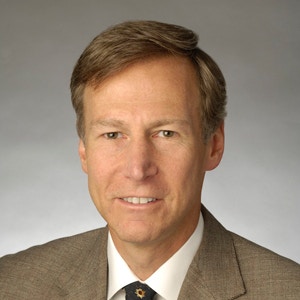
Fluid-structure Interactions From the Large to the Very Small

In this talk, Mike Shelley discusses problems in fluid-structure interaction ranging from the macroscopic, i.e. flapping of flags and bending of tree leaves, to the micro – collective behaviors of micro-organisms and the transport of subcellular structures.

October 23, 2013: Epilepsy and Autism: Comorbid Disorders with Shared Etiologies

Autism and epilepsy are often comorbid disorders with overlapping epidemiology, genetics, clinical features, neuroanatomic abnormalities and neurophysiological mechanisms. Defining the genetics and clinical features of individuals with comorbid autism and epilepsy is ongoing, and development of genotype-phenotype correlations has just begun. Understanding shared and distinct mechanisms underlying autism and epilepsy is likely to improve prognosis, therapy and prevention.

October 23, 2013: Epilepsy and Autism: Comorbid Disorders with Shared Etiologies

Gerald D. Fischbach Auditorium 160 5th Avenue, New York, NY, United States

Autism and epilepsy are often comorbid disorders with overlapping epidemiology, genetics, clinical features, neuroanatomic abnormalities and neurophysiological mechanisms. Defining the genetics and clinical features of individuals with comorbid autism and epilepsy is ongoing, and development of genotype-phenotype correlations has just begun. Understanding shared and distinct mechanisms underlying autism and epilepsy is likely to improve prognosis, therapy and prevention.

Infants’ Grasp of Others’ Intentions: The Development of Social Understanding

Gerald D. Fischbach Auditorium 160 5th Avenue, New York, NY, United States

Burgeoning evidence shows that in typical development, the ability to structure actions according to intentions emerges during infancy. And recent evidence reveals that infancy is a period of rapid change and development in this ability. Early social knowledge depends critically on infants’ active engagement with the physical and social world.

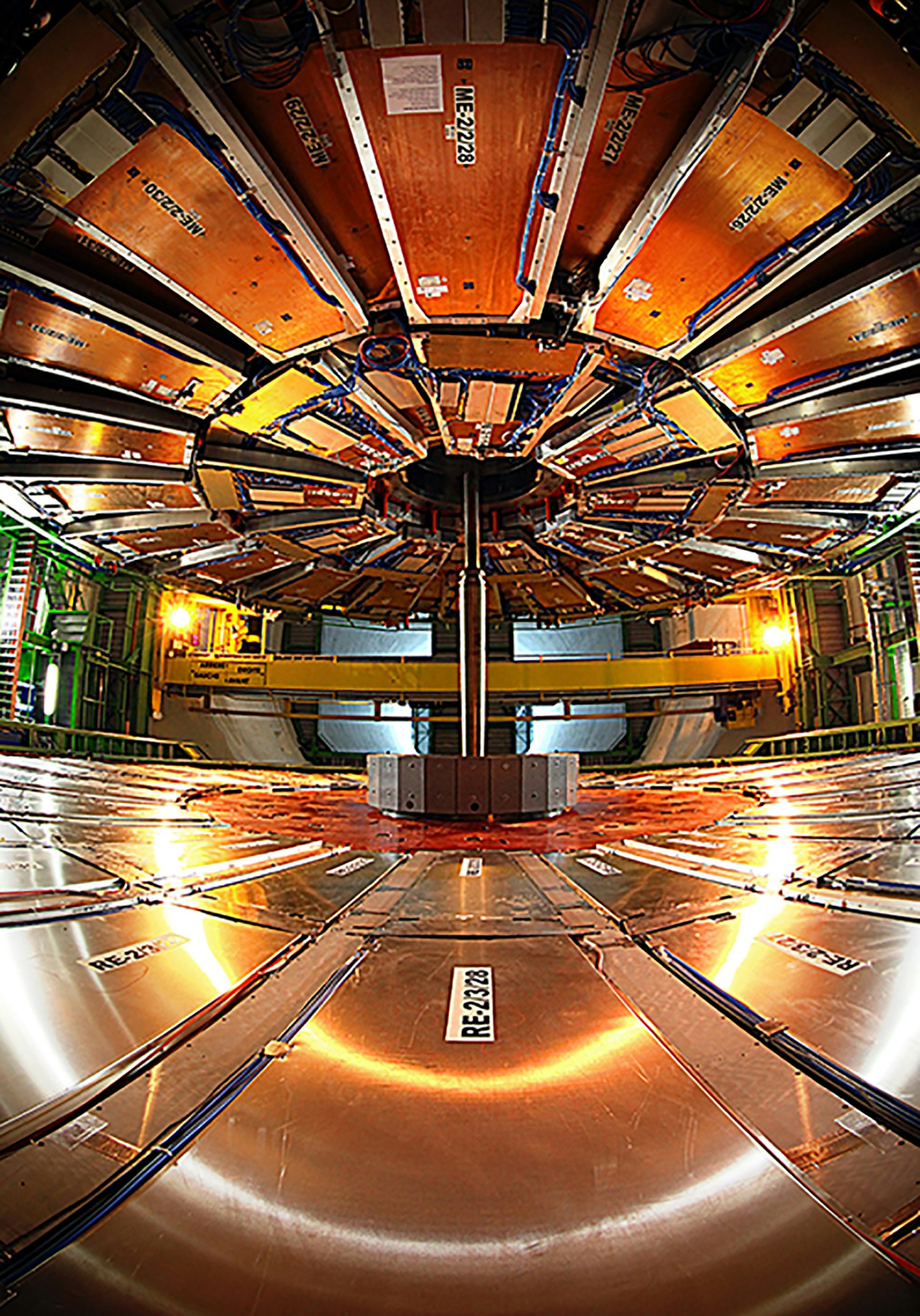
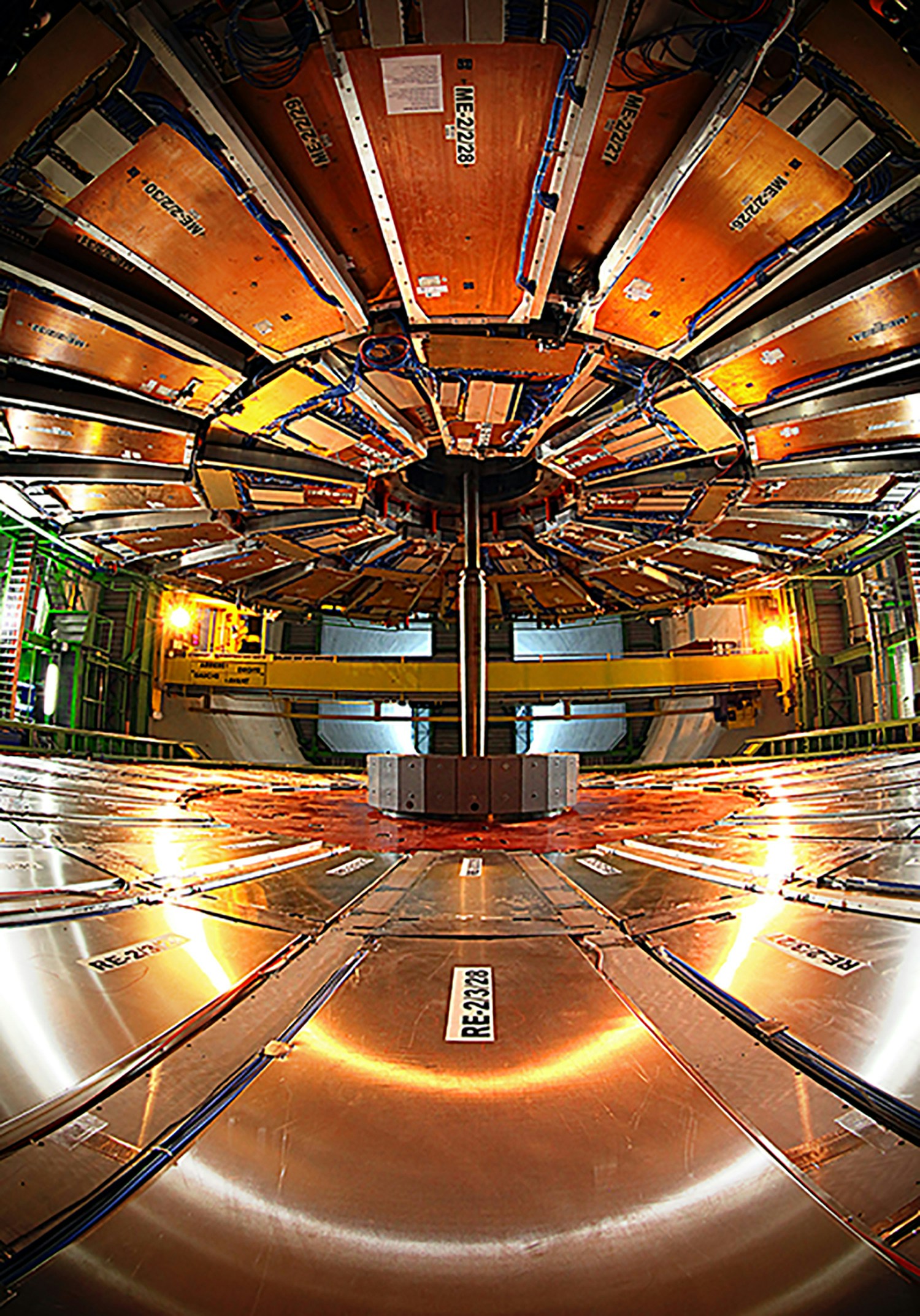
November 13, 2013: The Discovery and Study of a Higgs Boson at the Large Hadron Collider

The Large Hadron Collider (LHC) at the European Organization for Nuclear Research (CERN) near Geneva, Switzerland has performed spectacularly well in its first major running period: from December 2009 through February 2013. Data of unprecedented quality and quantity have been recorded for proton-proton collisions at energies of 7 and 8 trillion electron volts — the highest energies ever obtained.


privacy consent banner

Privacy preference

We use cookies to provide you with the best online experience. By clicking "Accept All," you help us understand how our site is used and enhance its performance. You can change your choice at any time here. To learn more, please visit our Privacy Policy.
Advancing Research in Basic Science and MathematicsSubscribe to Flatiron Institute announcements and other foundation updates

privacy consent banner

Privacy preference

We use cookies to provide you with the best online experience. By clicking "Accept All," you help us understand how our site is used and enhance its performance. You can change your choice at any time here. To learn more, please visit our Privacy Policy.