Archives: Events | Page 7 Archives: Events | Page 7

Views Navigation

Event Views Navigation

Today

Curiosity’s Search for Ancient Habitable Environments at Gale Crater, Mars

Gerald D. Fischbach Auditorium 160 5th Avenue, New York, NY, United States

The Mars Science Laboratory rover, Curiosity, was built to search for and explore habitable environments. In this lecture, John Grotzinger will review Curiosity’s latest discoveries and describe the biological viability of ancient environments on Mars, along with the value of robots in geologic exploration.

Solar Convection

Gerald D. Fischbach Auditorium 160 5th Avenue, New York, NY, United States

Katepalli Sreenivasan will describe what is known about the convective phenomena in the sun, using results from basic turbulence modeling, numerical simulations, as well as helioseismology.

How Immune Cells Help Wire the Brain: Implications for Autism and Psychiatric Illness

Gerald D. Fischbach Auditorium 160 5th Avenue, New York, NY, United States

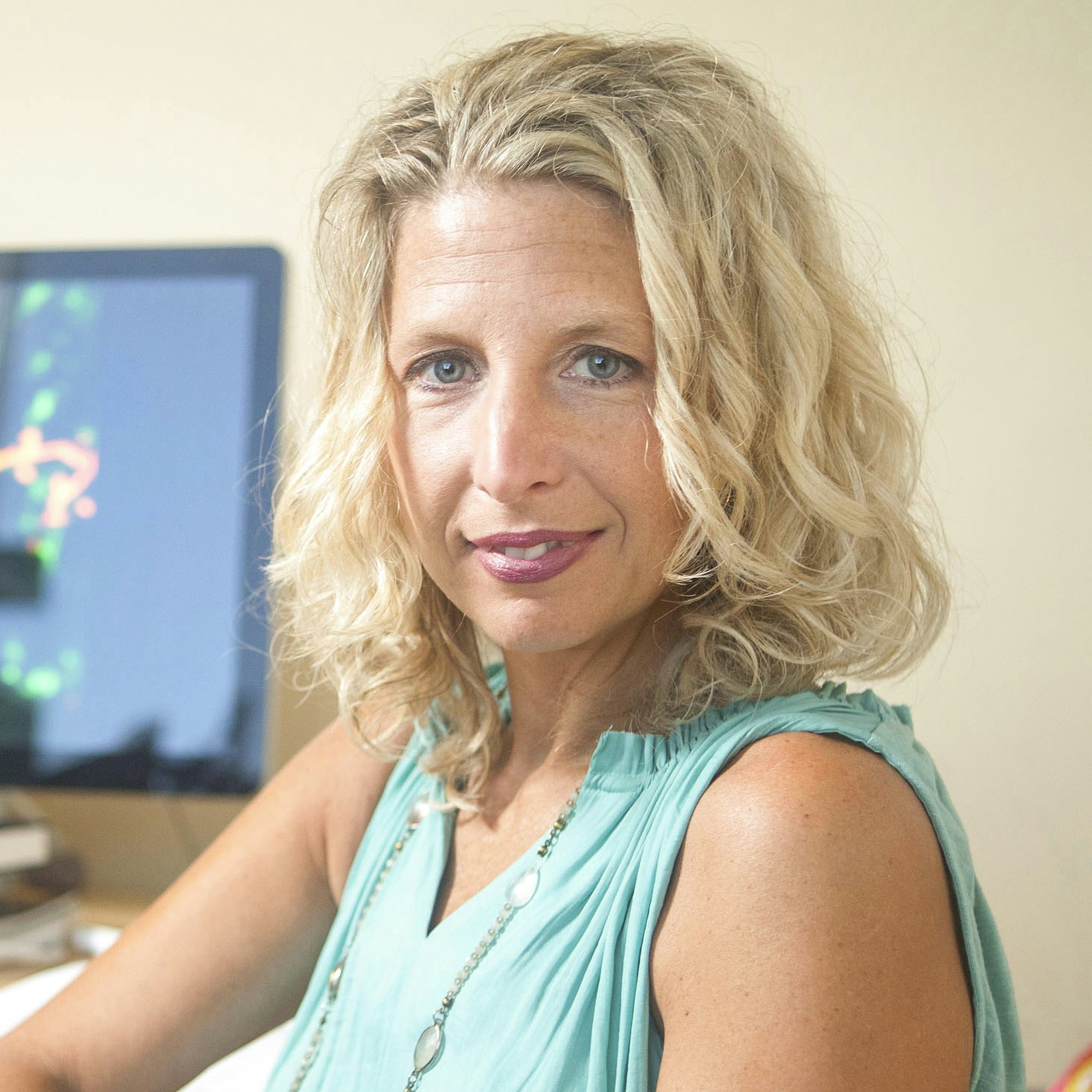
In this lecture, Dr. Beth Stevens will discuss recent work that implicates brain immune cells, called microglia, in sculpting of synaptic connections during development and their relevance to autism, schizophrenia and other brain disorders.

Randomness

Gerald D. Fischbach Auditorium 160 5th Avenue, New York, NY, United States

Humanity has pondered the meaning and utility of randomness for millennia. A computational theory of randomness, developed in the past three decades, reveals (perhaps counterintuitively) that very little is lost in such deterministic or weakly random worlds. In this talk, Avi Wigderson will explain the main ideas and results of this theory.

Nanotechnology for Massively-Parallel, Multi-Physical Interrogation of Brain Activity

Gerald D. Fischbach Auditorium 160 5th Avenue, New York, NY, United States

We are still far from elucidating how complex assemblies of neurons — that is, brain circuits — interact to process information. In this lecture, Michael Roukes will outline the immense complexity of such pursuits and describe efforts toward developing new tools for massively multiplexed, multi-physical interrogation of brain activity.


privacy consent banner

Privacy preference

We use cookies to provide you with the best online experience. By clicking "Accept All," you help us understand how our site is used and enhance its performance. You can change your choice at any time here. To learn more, please visit our Privacy Policy.
Advancing Research in Basic Science and MathematicsSubscribe to Flatiron Institute announcements and other foundation updates

privacy consent banner

Privacy preference

We use cookies to provide you with the best online experience. By clicking "Accept All," you help us understand how our site is used and enhance its performance. You can change your choice at any time here. To learn more, please visit our Privacy Policy.