Quarks, Flux Tubes and String Theory Without Calculus
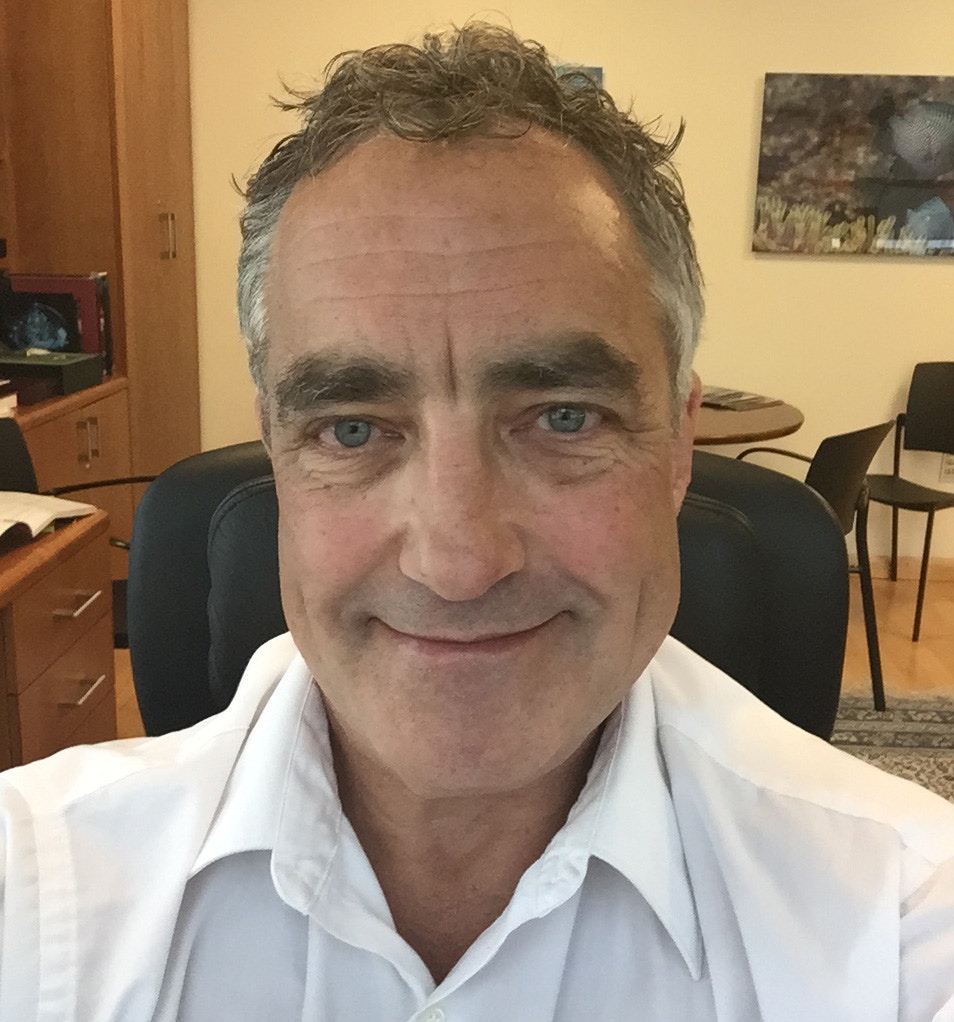
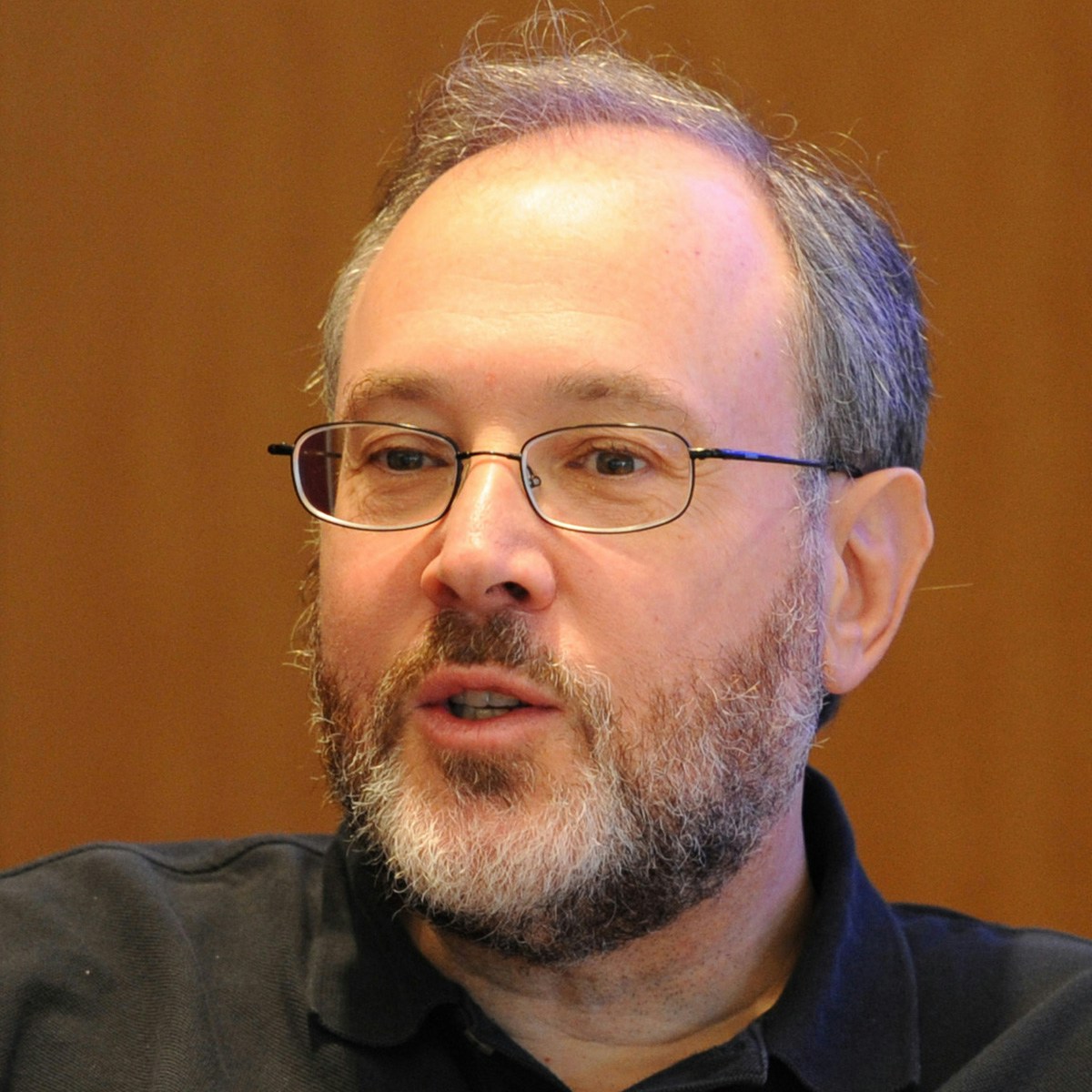
The theory of strings started as an attempt to describe the forces holding quarks together. Important remnants of that idea survive in the form of the flux tubes of quantum chromodynamics and...
The theory of strings started as an attempt to describe the forces holding quarks together. Important remnants of that idea survive in the form of the flux tubes of quantum chromodynamics and...
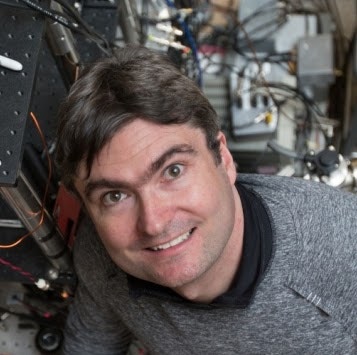
In this lecture, Dr. Holger Müller will explain recent experimental searches for certain models of dark energy. How can it be that dark energy, which is supposedly ubiquitous in the cosmos, has never been observed in experiments?
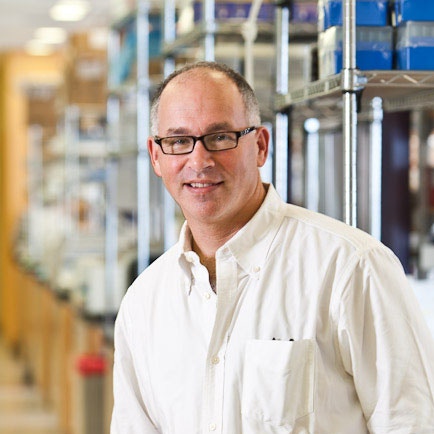
In this lecture, Gordon Fishell will describe his investigations of the developmental and genetic origins of interneuron development.
In this lecture, Brian Keating will discuss the search for the polarization of the cosmic microwave background and measurements by the POLARBEAR telescope, which pave the way for the upcoming Simons Array.
In this lecture, Andrew Marks will present new data on the high-resolution structure of the mammalian RyR1/intracellular calcium-release channel obtained using cryogenic electron-microscopy.
In this lecture, Gerald Rubin will discuss efforts to develop and apply the tools that will be required for a comprehensive analysis of the anatomy and function of the fly brain at the level of individual cell types and circuits, using examples from his lab’s recent work on visual perception, as well as the mechanisms of learning and memory.
In this lecture, F. DuBois Bowman will discuss how he and his colleagues are working to identify functional or anatomical properties of the brain that reliably distinguish individuals with Parkinson's disease from healthy controls.
In this lecture, Juna Kollmeier will take you on a cosmic journey, starting with the infant universe and explain the current thinking about how “structure” emerges from this humble start.
In this lecture, Dr. Gloria Coruzzi will focus on time — building predictive network models based on time-series transcriptome data, and perturbing transcription networks in time.
This talk will outline the current state of genetics research in autism, highlight some of the key findings that remain to be discovered, and consider how these findings could ultimately benefit individuals with autism and their families.