Molecular and Neural Architecture of Circuits Underlying Social Behavior in the Mouse
Gerald D. Fischbach Auditorium 160 5th Avenue, New York, NY, United States4:15 pm: Tea 5:00 pm: Lecture 6:15 pm: Reception More information coming soon.
4:15 pm: Tea 5:00 pm: Lecture 6:15 pm: Reception More information coming soon.
Kathryn Zurek will review evidence for the presence of dark matter in our universe and the need for a new theory to describe the dark matter sector.
In this lecture, Hazen will examine how Earth’s near-surface environment has evolved as a consequence of selective physical, chemical and biological processes — an evolution that is preserved in the mineralogical record.
March 15-21, 2015 Organizers: Shamit Kachru, Stanford University Hirosi Ooguri, Caltech Subir Sachdev, Harvard University Since our last symposium, quantum entanglement has become even more important in areas of theoretical physics ranging from condensed matter physics and quantum information to quantum gravity. In quantum gravity, it is playing a key role in elucidating the...
People spend hours a day interacting in online settings, ranging from social media sites to a broad range of digital communities designed for work, education and entertainment. Such systems are generally intended to elicit particular activities or forms of engagement, yet we have relatively little understanding of the resulting behaviors or of how system design may contribute to those behaviors. This talk will discuss work that aims to develop models of human behavior in online settings, both to inform system design but also to address fundamental questions in the social sciences.
March 22–28, 2015 Organizing committee: Fedor Bogomolov, Courant Institute of Mathematical Sciences Brendan Hassett, Rice University Yuri Tschinkel, Simons Foundation The second Simons Symposium on Geometry over Nonclosed Fields took place March 22-28. The first symposium in this series focused on rational curves on higher-dimensional algebraic varieties and outlined applications of the theory of...
All life on Earth is based on electron transfer reactions far from thermodynamic equilibrium. In this talk, Paul Falkowski will discuss the possibility that photobiochemical reactions of minerals were transformational in the origins and persistence of biologically catalyzed electron transfer reactions on Earth.
In this lecture, Maureen Durkin will discuss trends in the prevalence of ASD, focusing on the role of intellectual disability — both as a co-occurring condition with ASD and in terms of using ASD as a diagnostic substitute for intellectual disability.
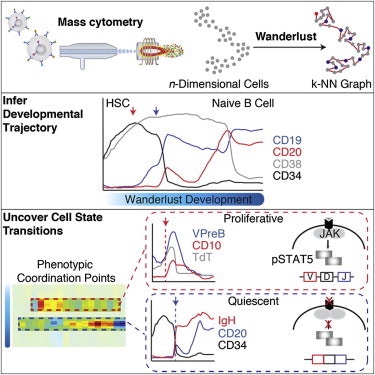
Speakers: Curtis Huttenhower, Aviv Regev, Dana Pe’er, Michael Schatz Curtis Huttenhower High-precision Functional Profiling of Microbial Communities and the Human Microbiome https://vimeo.com/125281142 Aviv Regev Towards a Human Cell Atlas https://vimeo.com/125270869 Dan Pe'er Single Cell Mapping of Developmental Trajectories Underlying Health and Disease https://vimeo.com/125270868 Michael Schatz Algorithms for Single Cell and Single Molecule Biology https://vimeo.com/125281143
In this lecture, Mark Liberman will describe the origins and development of the ‘Common Task’ method in DARPA’s human language technology program, its broader influence on recent research and development practices, and its lessons for the future.