Archives: Events | Page 3 Archives: Events | Page 3

Views Navigation

Event Views Navigation

Today

2015 MPS Annual Meeting

Thursday, October 22nd – Friday, October 23rd, 2015 Download the 2015 Annual Meeting booklet (PDF). The Mathematics and Physical Sciences Annual Meeting gathered together Simons Investigators, Simons Fellows, Simons Society of Fellows and Math + X Chairs and Investigators to exchange ideas through lectures and informal discussions in a scientifically stimulating environment. Agenda Thursday, October...
Molecular and Neural Architecture of Circuits Underlying Social Behavior in the Mouse

Gerald D. Fischbach Auditorium 160 5th Avenue, New York, NY, United States

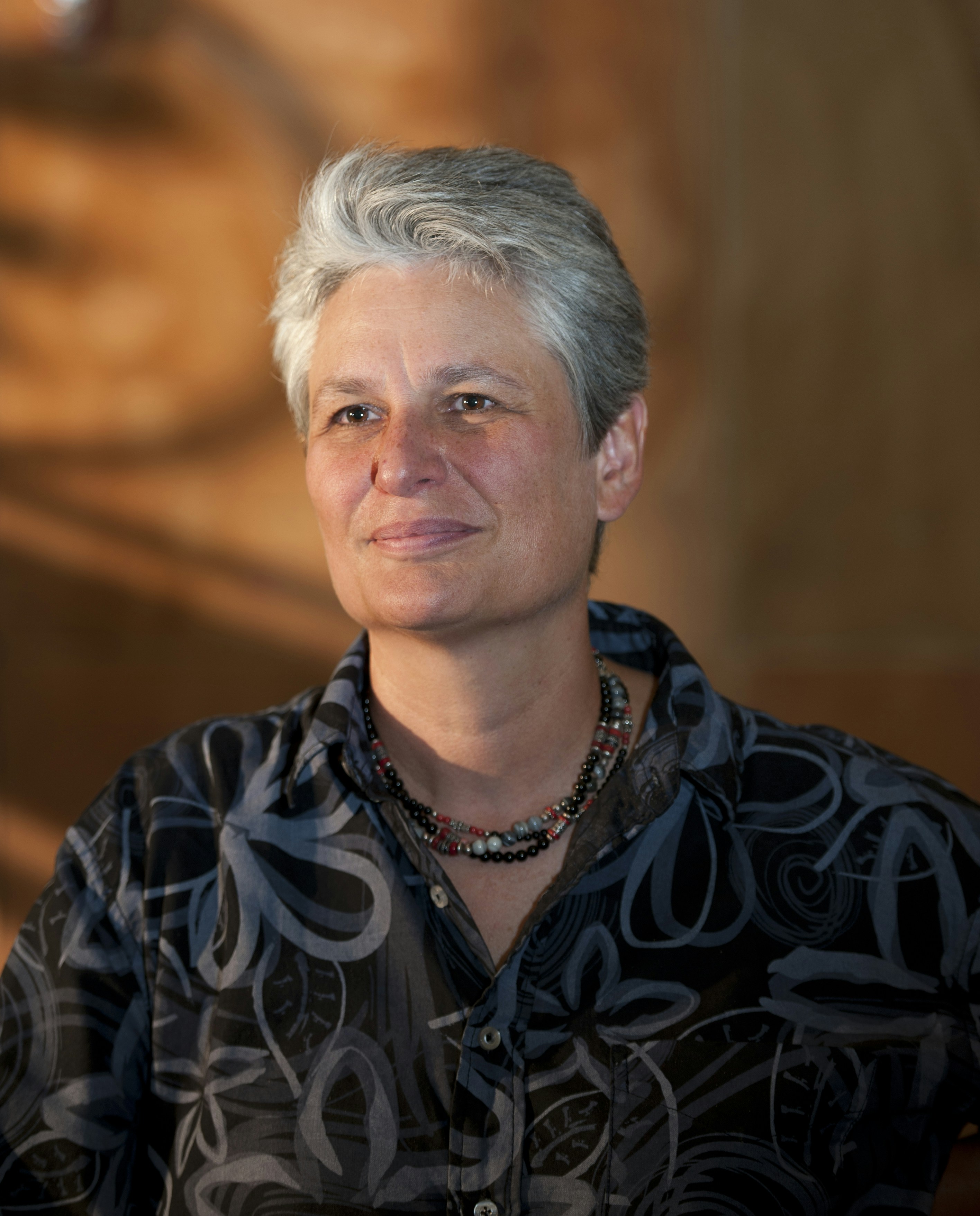
In this lecture, Catherine Dulac will discuss the cellular and molecular architecture of neural circuits underlying instinctive social behaviors of mice. She will describe her group’s recent advances in uncovering the identity of sensory neurons that detect social cues and the identity of command circuits associated with specific social responses in male and female mice.

Clinical and translational genomics

Gerald D. Fischbach Auditorium 160 5th Avenue, New York, NY, United States

This Biotech Symposium will focus on clinical and translational genomics and the shift to precision medicine.

Understanding the Relationship Between Genes and Social Behavior: Lessons from the Honey Bee

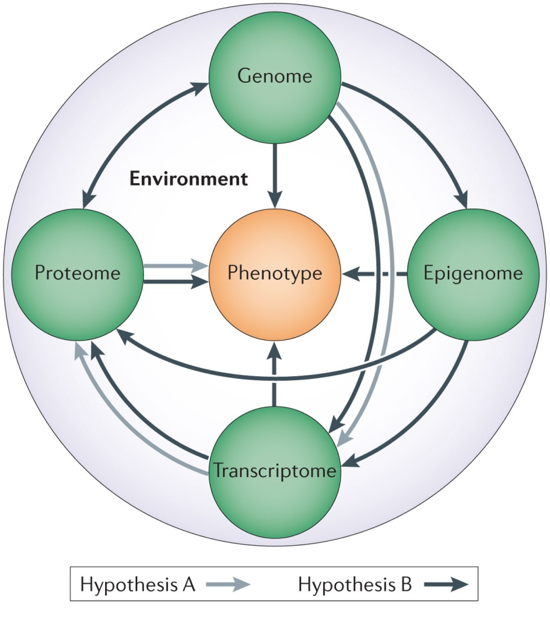
The study of genes and social behavior is still a young field. In this lecture, Gene E. Robinson will discuss some of the first insights to emerge that describe the relationship between them. These include the surprisingly close relationship between brain gene expression and specific behavioral states; social regulation of brain gene expression; control of social behavior by context-dependent rewiring of brain transcriptional regulatory networks; and evolutionarily conserved genetic toolkits for social behavior that span insects, fish and mammals.

Storming the Ivory Tower: How to Make Autism Interventions Work in Schools

Gerald D. Fischbach Auditorium 160 5th Avenue, New York, NY, United States

In this lecture, David S. Mandell will talk about why autism interventions rarely are implemented in community practice and why they fail to achieve the same outcomes as those observed in clinical trials.

Patterns in the Primes

Gerald D. Fischbach Auditorium 160 5th Avenue, New York, NY, United States

Prime numbers have intrigued mathematicians, amateur and professional alike, for thousands of years. Some of the most pertinent questions today probably stem from classical times. In this lecture, Dr. Granville will discuss some well-known patterns in the primes and explain some of the latest progress.

Quarks, Flux Tubes and String Theory Without Calculus

The theory of strings started as an attempt to describe the forces holding quarks together. Important remnants of that idea survive in the form of the flux tubes of quantum chromodynamics and their description as “strings” in the gauge-string duality. Applications to quark-gluon plasmas have yielded some of the most quantitative comparisons of string theory with experimental data. For example,...

Atom-interferometry Limits on Dark Energy

Gerald D. Fischbach Auditorium 160 5th Avenue, New York, NY, United States

In this lecture, Dr. Holger Müller will explain recent experimental searches for certain models of dark energy. How can it be that dark energy, which is supposedly ubiquitous in the cosmos, has never been observed in experiments?


privacy consent banner

Privacy preference

We use cookies to provide you with the best online experience. By clicking "Accept All," you help us understand how our site is used and enhance its performance. You can change your choice at any time here. To learn more, please visit our Privacy Policy.
Advancing Research in Basic Science and MathematicsSubscribe to Flatiron Institute announcements and other foundation updates

privacy consent banner

Privacy preference

We use cookies to provide you with the best online experience. By clicking "Accept All," you help us understand how our site is used and enhance its performance. You can change your choice at any time here. To learn more, please visit our Privacy Policy.