Archives: Events | Page 6 Archives: Events | Page 6

Views Navigation

Event Views Navigation

Today

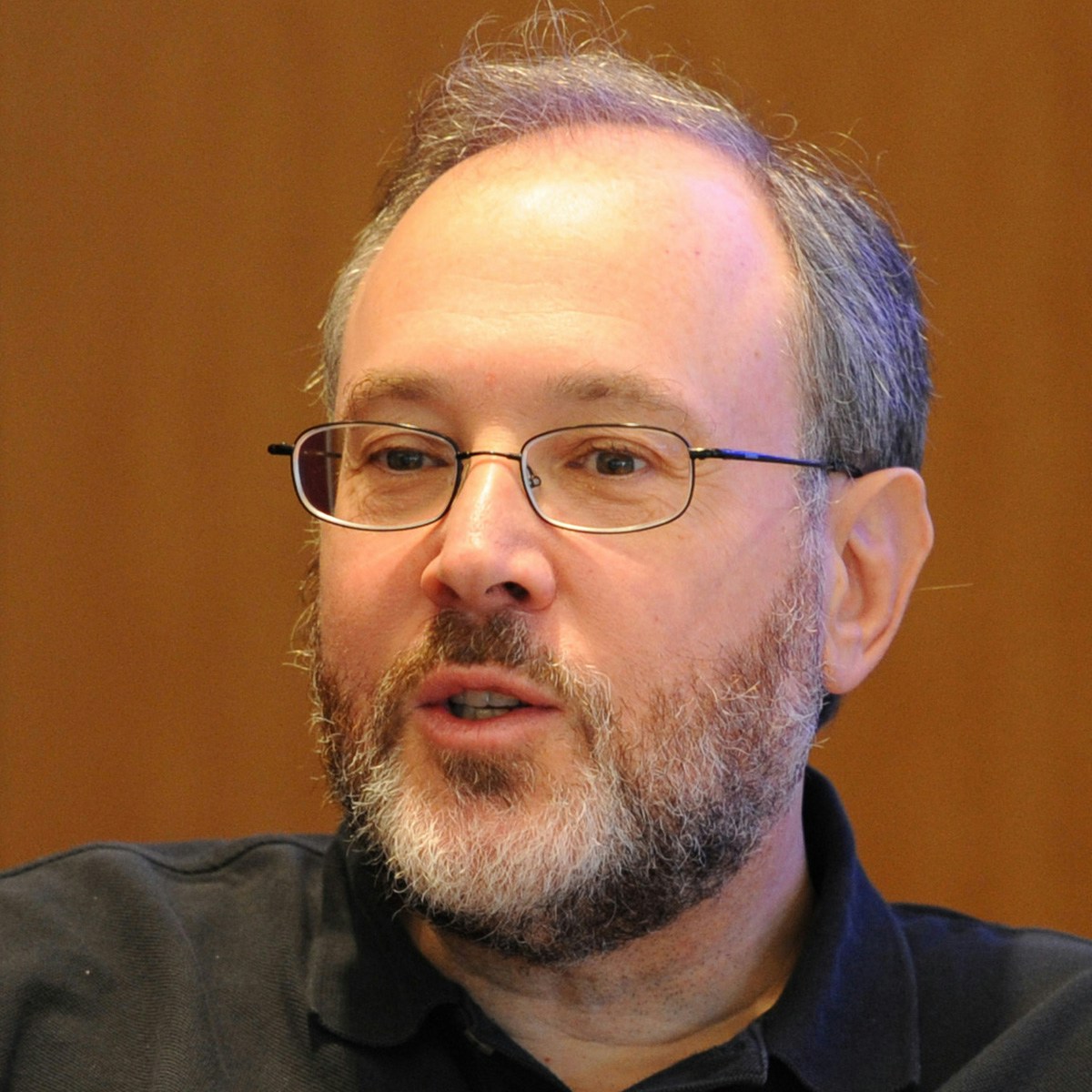
Patterns in the Primes

Gerald D. Fischbach Auditorium 160 5th Avenue, New York, NY, United States

Prime numbers have intrigued mathematicians, amateur and professional alike, for thousands of years. Some of the most pertinent questions today probably stem from classical times. In this lecture, Dr. Granville will discuss some well-known patterns in the primes and explain some of the latest progress.
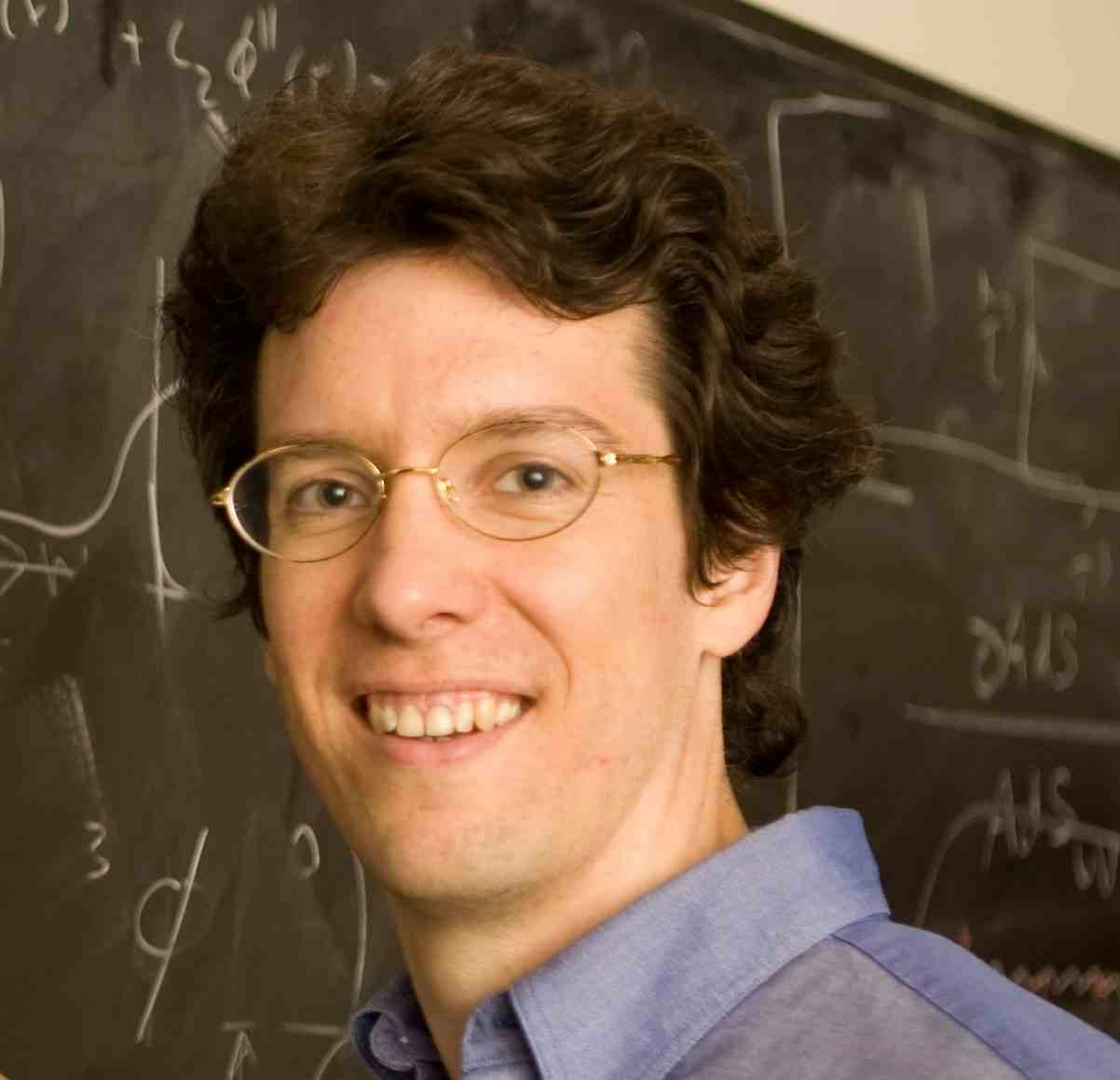
Quarks, Flux Tubes and String Theory Without Calculus

The theory of strings started as an attempt to describe the forces holding quarks together. Important remnants of that idea survive in the form of the flux tubes of quantum chromodynamics and their description as “strings” in the gauge-string duality. Applications to quark-gluon plasmas have yielded some of the most quantitative comparisons of string theory with experimental data. For example,...

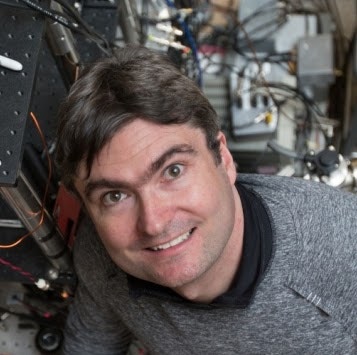
Atom-interferometry Limits on Dark Energy

Gerald D. Fischbach Auditorium 160 5th Avenue, New York, NY, United States

In this lecture, Dr. Holger Müller will explain recent experimental searches for certain models of dark energy. How can it be that dark energy, which is supposedly ubiquitous in the cosmos, has never been observed in experiments?

A Molecular Geneticist’s Approach to Understanding the Fly Brain

Gerald D. Fischbach Auditorium 160 5th Avenue, New York, NY, United States

In this lecture, Gerald Rubin will discuss efforts to develop and apply the tools that will be required for a comprehensive analysis of the anatomy and function of the fly brain at the level of individual cell types and circuits, using examples from his lab’s recent work on visual perception, as well as the mechanisms of learning and memory.

The Formation of Structure in the Cosmos

Gerald D. Fischbach Auditorium 160 5th Avenue, New York, NY, United States

In this lecture, Juna Kollmeier will take you on a cosmic journey, starting with the infant universe and explain the current thinking about how “structure” emerges from this humble start.


privacy consent banner

Privacy preference

We use cookies to provide you with the best online experience. By clicking "Accept All," you help us understand how our site is used and enhance its performance. You can change your choice at any time here. To learn more, please visit our Privacy Policy.
Advancing Research in Basic Science and MathematicsSubscribe to our newsletters to receive news & updates

privacy consent banner

Privacy preference

We use cookies to provide you with the best online experience. By clicking "Accept All," you help us understand how our site is used and enhance its performance. You can change your choice at any time here. To learn more, please visit our Privacy Policy.