Funding Awarded for 16 Courses and Conferences in Autism and Neuroscience
As part of its efforts to convene researchers working at the forefront of autism and neuroscience research, the Simons Foundation announces the selection of 16 conferences and courses to which it intends to provide funding. This year, the foundation prioritized conferences and courses that align with the scientific missions of any of the following programs:
- Simons Foundation Autism Research Initiative (SFARI), with a mission to advance the basic science of autism and related neurodevelopmental disorders;
- Simons Collaboration on Plasticity and the Aging Brain (SCPAB), with a focus on healthy cognitive aging;
- Simons Collaboration on Ecological Neuroscience (SCENE), with a focus on understanding how interacting with the world shapes representations in the brain and mind;
- Simons Collaboration on the Global Brain (SCGB), with a focus on the fields of systems and computational neuroscience.
This year’s awardees are:
Simons Academy for the Neuroscience of Autism in Africa (SANAA)
Omamuyovwi Ijomone, University of Medical Sciences, Ondo
July 25–31, 2027; July 23–29, 2028; July 22–28, 2029
Ondo City, Nigeria
SANAA is an intensive training program designed to advance experimental and translational autism research across Africa. By bringing together leading international experts and early-career African scientists, it provides immersive training, mentorship and collaborative research development to address critical gaps in local research capacity and global representation.
TReND-CaMinA Course in Computational Neuroscience and Machine Learning
Joana Soldado Magraner, TReND in Africa
July 2027, July 2028, July 2029
Yaounde, Cameroon; Dar es Salaam, Tanzania; TBD
TReND-CaMinA is an intensive residential training program designed to build computational neuroscience capacity across Africa by equipping early-career researchers with the skills needed to conduct independent research using open datasets and modern machine learning approaches. Organized in partnership with TReND in Africa, a leading NGO in scientific capacity building, the course combines theoretical instruction, hands-on project work and exposure to large-scale open datasets through collaborations with leading institutions such as the Allen Institute. By providing fully funded participation, rotating locations to seed local hubs and openly sharing all teaching materials, TReND-CaMinA creates both immediate training impact and longer-term infrastructure for a distributed and self-sustaining computational neuroscience community in Africa.
Neural Mechanisms of Cognitive Function
Andressa Radiske, Instituto de Ensino E Pesquisa Alberto Santos Dumont (ISD)
August 25–29, 2027; August 15–19, 2029
Pipa, Brazil; Bangalore, India
Understanding how the brain processes information and how these mechanisms give rise to pathological cognitive states remains a central challenge in neuroscience. Addressing this challenge requires the integration of perspectives across disciplines, enabling a more comprehensive and mechanistic understanding of how neural systems encode and regulate cognitive function. The second and third editions of the Neural Mechanisms of Cognitive Function conference will establish an inclusive and internationally connected platform that brings together early-career researchers and leading experts. Building on the success of the first conference, these new editions aim to consolidate and expand the conference’s impact by strengthening existing collaborations and creating new opportunities for scientific exchange.
Together, this structure promotes sustained international exchange and broadens access to high-level scientific dialogue across regions traditionally underrepresented in neuroscience research. Our aspiration for this meeting is to build a sense of shared community among regions and scientists who face similar structural hurdles entering and advancing the field. The initiative also addresses structural inequalities in access to scientific exchange by prioritizing regions where participation in international, high-quality and free scientific events remains limited. Travel grants will be offered to students from Latin America, India and other regions of the Global South, ensuring broad participation and inclusivity.
Open Data in Neurophysiology (ODIN)
Saskia de Vries, Allen Institute
April 2027, Spring 2028, Spring 2029
Janelia Research Campus, Lansdowne, Virginia
The ODIN symposium is an annual conference that brings scientists and research software engineers together to advance our open-science tools and community.
Cognitive Computational Neuroscience (CCN)
Benjamin Peters, Cognitive Computational Neuroscience Corporation
July 26–29, 2027; 2028; 2029
Edinburgh, United Kingdom; TBD
CCN is an annual forum for discussion among researchers in cognitive science, neuroscience and artificial intelligence, dedicated to understanding the computations that underlie complex behavior. The conference began in 2017 with the goal of deepening interactions between these disciplines and discovering ways the communities can benefit one another and leverage each other’s successes.
Integrating Early-Life Neuroimaging and Autism Research through FIT’NG Seminars and Conferences
Sarah Shultz, Emory University School of Medicine
2026, 2027, 2028, 2029
Virtual; in-person conferences TBD
The Fetal, Infant, and Toddler Neuroimaging Group (FIT’NG) will host a three-year program of seminars, workshops and conference activities to connect advances in fetal, infant and toddler (FIT) neuroimaging with core questions in autism research. By bringing together researchers across disciplines, this program will integrate methodological innovations in early-life imaging with insights from typical development and other at-risk populations (e.g., preterm infants, genetically defined cohorts) to accelerate discovery of early brain mechanisms relevant to autism and to place autism findings within a broader developmental and transdiagnostic context. A central focus of the program is to support trainees and early-career investigators through opportunities for direct engagement with field leaders and cross-disciplinary exchanges.
Neural Data Science
David Stewart, Cold Spring Harbor Laboratory
July 7–21, 2027; July 2029
Banbury Center, Lloyd Harbor, New York
The goal of the Neural Data Science course is to equip neuroscientists with the statistical and computational tools needed to meet this challenge. This two-week course uses an immersive hands-on format to provide end-to-end training across the analytical workflow, from data processing and statistical modeling to rigorous scientific interpretation. Drawing on modern recording modalities, including large-scale electrophysiology and calcium imaging, participants learn to process, manage and analyze large neural datasets while addressing key analytical challenges, including sampling bias, overfitting and reproducibility. The course teaches trainees to build reproducible workflows across a range of statistical and data science frameworks, spanning both hypothesis-driven and machine learning approaches, using the two programming languages most widely used in neuroscience and data science: MATLAB and Python.
Advances in Sleep and Circadian Science (ASCS)
Amita Sehgal, Sleep Research Society
February 19–22, 2027; February 2029
Austin, Texas; TBD
The ASCS meeting is a biennial meeting sponsored by the Sleep Research Society created to bring together cutting-edge advances at the intersection of sleep and circadian science. It also emphasizes inclusion and participation of early-stage investigators and trainees and investigators from universities that do not have well-developed sleep or circadian programs, to allow cross-training and interdisciplinary development of scientific thought and investigators.
Autism Spectrum Disorders
David Stewart, Cold Spring Harbor Laboratory
July 21–28, 2027; July 2029
Banbury Center, Lloyd Harbor, New York
Autism spectrum disorders (ASD) are developmental disorders with complex phenotypes defined by a triad of symptoms that include disrupted social abilities, verbal and nonverbal communication skills and restricted interests with repetitive behaviors. Co-occurring neurological and medical conditions often occur in this disorder. The underlying etiology remains a mystery, but ASD is one of the most highly heritable of neuropsychiatric disorders. This unique one-week biennial advanced course will examine dimensions of ASD on various levels, including sessions on characteristics of the clinical syndrome; the neuropathology, imaging and cognitive neuroscience studies that implicate circuits and systems involved in ASD; the current state of findings from human genetics; concepts regarding the developmental neurobiological basis; the use of experimental models; and current etiological theories and hypotheses of ASD.
Cold Spring Harbor Laboratory (CSHL) Molecular Mechanisms of Neuronal Connectivity
David Stewart, Cold Spring Harbor Laboratory
September 8–11, 2026; October 3–7, 2028
CSHL Main Campus, Cold Spring Harbor, New York
The proposed biennial meeting to be held at CSHL on Molecular Mechanisms of Neuronal Connectivity in September 2026 and October 2028 will assemble leaders in the field, junior faculty, postdoctoral fellows and graduate students to discuss new cutting-edge developments in the areas defined in the meeting title. Topics to be discussed for the 2026 meeting will include programs of circuit wiring, axon targeting, axon regeneration, synapse assembly, the roles of synapses in neural circuits and glial control of neuronal circuitry, and neuronal repair.
Development & 3D Modeling of the Human Brain
David Stewart, Cold Spring Harbor Laboratory
December 7–10, 2026; December 4–7, 2028
CSHL Main Campus, Cold Spring Harbor, New York
The biennial conference on Development & 3D Modeling of the Human Brain serves as a comprehensive forum for presentation and discussion of the latest advances in stem cell–derived neural modeling and their application across basic and clinical neuroscience. The conference is centered on the sophisticated use of human induced pluripotent stem cells to generate three-dimensional structures, including brain organoids and multiregion assembloids, which increasingly recapitulate the human brain’s unique architecture and developmental trajectory. The conference is expected to explore our current understanding of human brain evolution, with researchers utilizing interspecies organoid comparisons to identify human-specific genetic drivers, such as Human Accelerated Regions, that contribute to neocortical expansion and diversification. Significant focus will also be placed on disease modeling, with sessions dedicated to uncovering the pathological mechanisms of conditions including neurodevelopmental and neurodegenerative diseases. The conference will showcase a suite of emerging technologies essential for the functional and molecular characterization of 3D models, including single-cell multiomics, spatial transcriptomics and high-density microelectrode arrays for longitudinal electrophysiological recording. Furthermore, the program will address the field’s shift toward standardization and scalability, highlighting new automated platforms for high-throughput organoid generation and the establishment of rigorous analytical frameworks to ensure reproducibility across laboratories. The conference will squarely address the growing potential of 3D human brain models to drive personalized medicine and the discovery of novel therapeutic interventions.
Colloquium on Human NeuraL Development in Autism
Emily Jones, King’s College London
December 7–10, 2026; December 4–7, 2028
Cumberland Lodge, Windsor, United Kingdom
Autism has a highly heterogeneous etiology, associated with variation in hundreds of penetrant mutations and thousands of common SNPs. Significant progress has been made in understanding the neurobiological changes associated with particular penetrant mutations within animal models and organoid systems. However, children with known genetic syndromes linked to autism also experience a heterogenous phenotype, with many associated conditions and high rates of intellectual disability. How can we parse this many-to-many relationship in order to understand the neuroscience underpinning the core traits that characterize autism and related neurodevelopmental conditions and how can we generalize our understanding to polygenic causes of autism and other developmental delays? Across three annual meetings, we will bring together an interdisciplinary group of leading investigators and trainees to generate insights into the pathways through which heterogeneous genetic factors on coherent phenotypes. Each meeting will focus on a specific theme to focus discussion: Space, time and energy. Together, we will generate key insights into the basic science of autism and related neurodevelopmental conditions.
Simons Computational Neuroscience Imbizo
Joseph Raimondo, University of Cape Town
August 19–September 9, 2027; April 23–May 7, 2028; January 7–28, 2029
Cape Town, South Africa
Im’bi-zo is a Xhosa word for “a gathering of the people to share knowledge” and it perfectly describes the spirit of our summer school: Over the course of 21 days, we gather approximately 20 African and eight international students to receive tutelage in computational neuroscience from our world-leading faculty, not just during lectures but also throughout the day, including meals, (rare) moments of downtime for students and often well into the evening. The result is a tight-knit network of inspired young scientists with global connections.
Transatlantic Behavioural Neuroscience Schools
Urszula Włodkowska, Nencki Institute of Experimental Biology
August 9–21, 2027; August 14–26, 2028; August 13–25, 2029
Buenos Aires, Argentina; Wojciechy, Poland
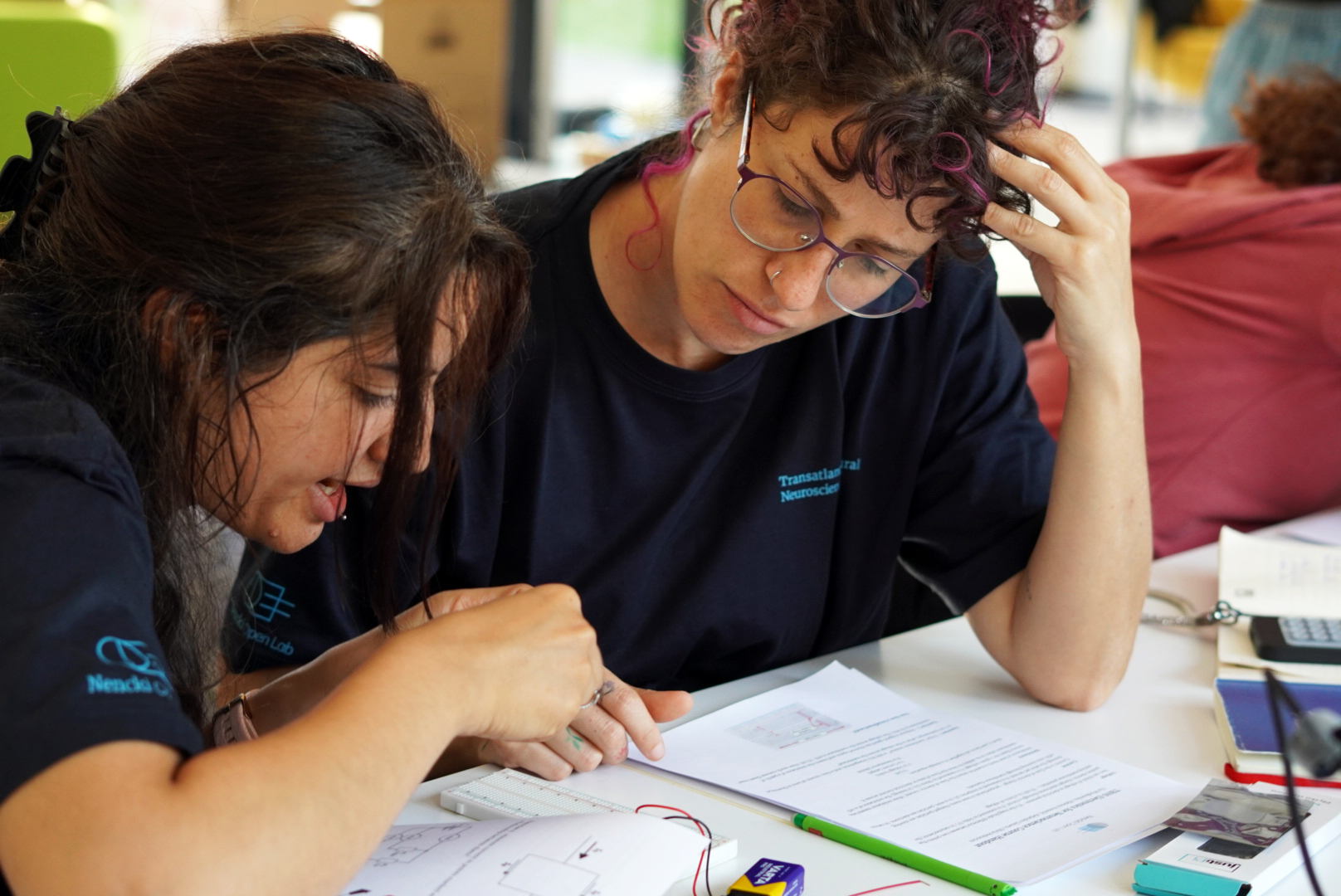
The goal of this school is to teach young researchers everything they need to design and build their own behavioral setups, conduct complex experiments and analyze their data using open software and hardware. Learning modules will include 3D printing to design elements of behavioral setups; electronics and Arduino to build and program research devices; Bonsai to track animals and conduct closed-loop experiments; and DeepLabCut and machine learning to extract meaningful information from behavioral data. In a final project, participants will apply the knowledge and skills gained throughout the course to design and 3D-print a setup for studying phototactic behavior in Drosophila, conduct experiments and analyze the resulting data.
The school will also feature a series of lectures by researchers studying animal behavior across different model systems and using a range of experimental approaches.
Foundational Skills Development for In Vivo Research Approaches to Understanding Cognitive Aging
Brent Berwin, The Jackson Laboratory for Genomic Medicine
Biannually in 2027, 2028, 2029
TBD
Rigorous hands-on training of in vivo biomedical research methods to address the field of cognitive aging, where whole-organism context is essential and cannot be replicated in vitro, remains critically scarce, even at research-intensive institutions. To address this unmet need, the Jackson Laboratory proposes a traveling workshop series, Foundational Skills Development for In Vivo Research Approaches to Understanding Cognitive Aging, designed to equip early-career researchers with the conceptual frameworks and practical skills necessary to study brain plasticity and healthy cognitive aging in living model organisms. The curriculum includes pre-course online modules, foundational seminars and intensive hands-on training in core biomethods (mouse handling, injections, aseptic technique and surgery), as well as thematic modules covering stereotaxic surgery for probing plasticity-relevant circuits; behavioral assays and tissue collection for studying cognitive resilience; neuroimmune profiling and inflammaging; and the use of rigorously validated aged and genetically defined mouse models. Career development sessions with visiting and host faculty are also integrated throughout.
UC Irvine Center for Neural Circuit Mapping 2027 Conference: Genes to Systems
Xiangmin Xu, University of California, Irvine
August 16–18, 2027
Irvine, California
This conference will convene a distinguished group of investigators to examine how genetic, cellular, circuit and systems-level mechanisms interact to shape brain function and dysfunction. The program is designed to promote cross-disciplinary integration to enable participants to connect discoveries across scales from genes and cell types to circuits, behavior and disease. In addition to plenary and session-based presentations, the conference will include hands-on workshops and technology-focused training sessions at UC Irvine to provide participants (particularly trainees) with direct exposure to emerging technologies, including spatial transcriptomics and multimodal neural circuit mapping tools.


