Computational Vision
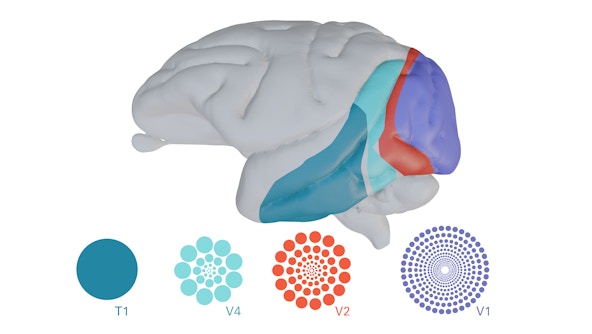
We are interested in the analysis and representation of visual information, including empirical study of the structure of visual scenes, construction of mathematical theories for representation and processing that structure.
CCN
High-Dimensional Dynamics and Computation
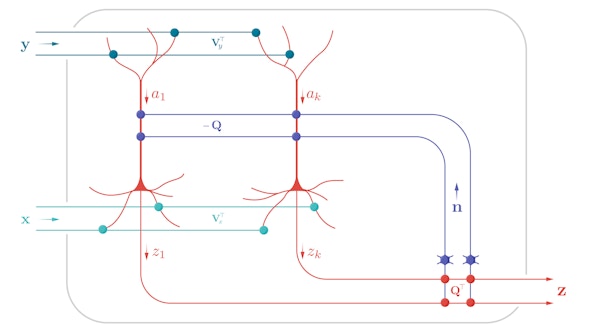
We develop theories linking synaptic connectivity, neuronal dynamics, and computation. To this end, we analyze high-dimensional, nonlinear network models and connect them to experimental data, using tools from statistical physics and machine learning.
CCN
Information Processing in Neural Networks (IPNN)
The Information Processing in Neural Networks (IPNN) group investigates the dynamics, statistical properties and principles of information processing in both biological neural circuits and modern artificial neural networks (ANNs). Our goal is to understand how neural systems sense, represent, compute and learn in realistic settings, using theoretical and computational tools from statistical physics, information theory and dynamical systems theory.
CCN
Neural Circuits and Algorithms
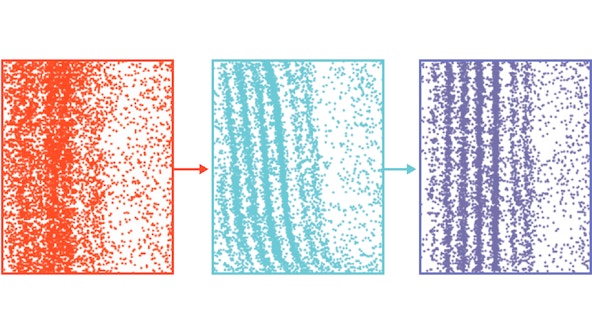
Our goal is to understand how the brain analyzes large and complex datasets streamed by sensory organs in order to aid efforts at building artificial neural systems and treating mental illness.
CCN
NeuroAI and Geometric Data Analysis
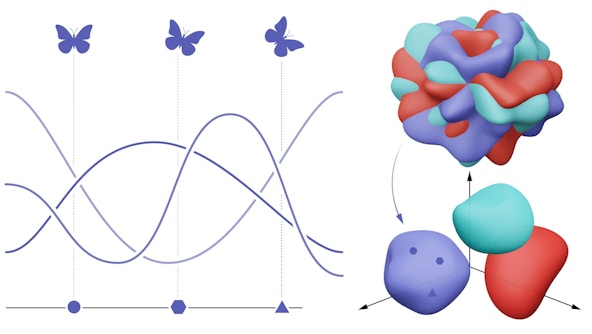
Our group develops mathematical theories for understanding how neurons collectively give rise to behavior in biological and artificial neural networks. Our current focus is on addressing this question through two broad approaches at the intersection of computational neuroscience and deep learning:
CCN
NeuroRSE
The NeuroRSE (Research Software Engineering) group builds and maintains open source software for computational and systems neuroscience.
CCN
Statistical Analysis of Neural Data
We develop statistical models and open-source computational tools to extract insights from neural data. We are particularly interested in characterizing flexibility and variability in neural circuits—e.g., how do the dynamics of large neural ensembles change over the course of learning a new skill, during periods of high attention or task engagement, or during development and aging.
CCN
Advancing Research in Basic Science and MathematicsSubscribe to Flatiron Institute announcements and other foundation updates