Simons Foundation 25th Anniversary

Commemorating 25 years of advancing the frontiers of research in mathematics and the basic sciences

January 21, 2020

In 1994, the Simons Foundation was born. To commemorate the anniversary, we published a book containing more than three dozen articles about the scientific and mathematical things we find beautiful; the mysteries we love; the science we’ve learned in 25 years; the contributions we’ve made in that time; and the problems we hope to solve by our 50th birthday. Below are the online versions of some of the articles.

Download PDF

5 Things We Think Are Beautiful

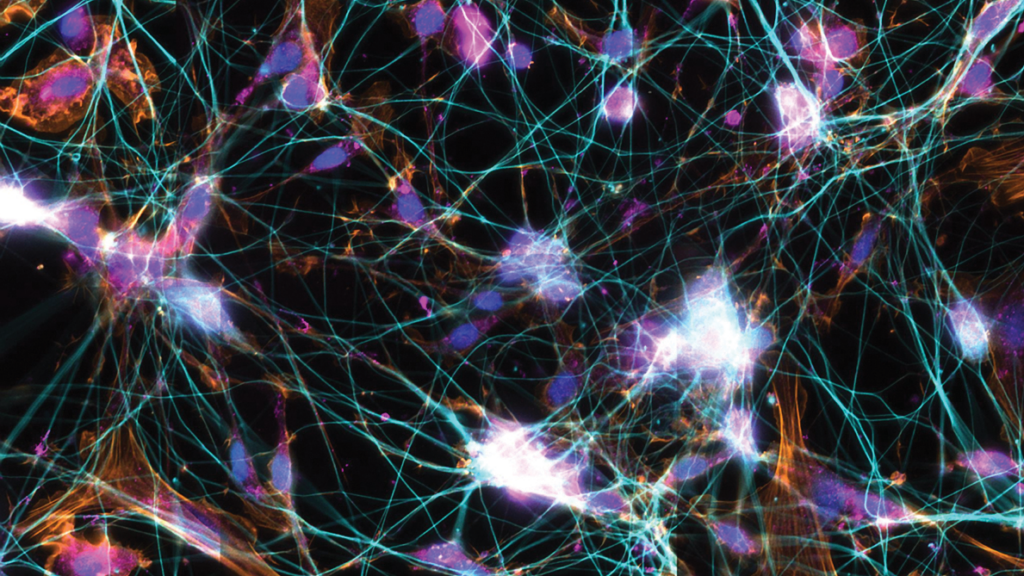
What makes something beautiful? Like generations before us, we pondered this question, looking around for examples that epitomize our mission and our values. We find beauty in curiosity for its own sake and in how it can become unreasonably effective in our lives. We find stunning the appearance of the myriad microbial inhabitants when we see them up close. We find beauty in brains — not just in how they think, but also by their very physical structures. We find joy in how symmetry is a beacon for those searching for truth. We find exhilaration in the way theory and experiment work together to advance our understanding of nature.

5 Things We Used To Think Were True

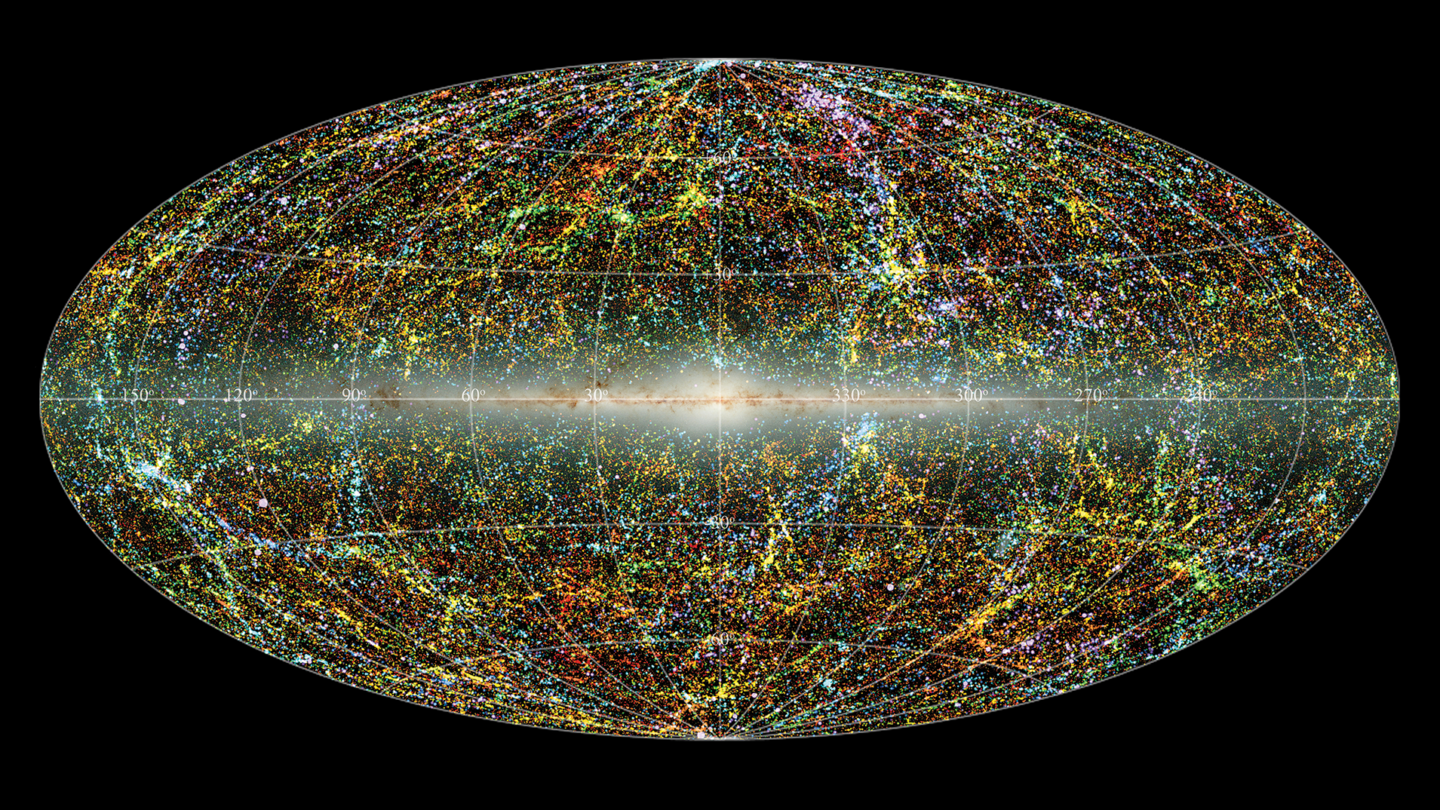
The more we learn, the more we discover how little we know. Twenty-five years ago, we thought our solar system was typical, but the discovery of exoplanets has changed that view. We used to think that fully understanding the interactions of many electrons was an intractable problem, but now we have new approaches that make us optimistic about meeting that challenge. We thought the universe was all that we could see, but now we know that visible matter makes up just 5 percent of the universe. We used to think that only a few genes were associated with autism, but now we know we greatly underestimated the number and complexity of the variables. We used to think that, with Moore’s law, we needed to upgrade our computers every two years; not anymore. Science does not just provide answers, but also implores us to rethink our ideas and assumptions.

5 Unique Contributions We’ve Made to Science

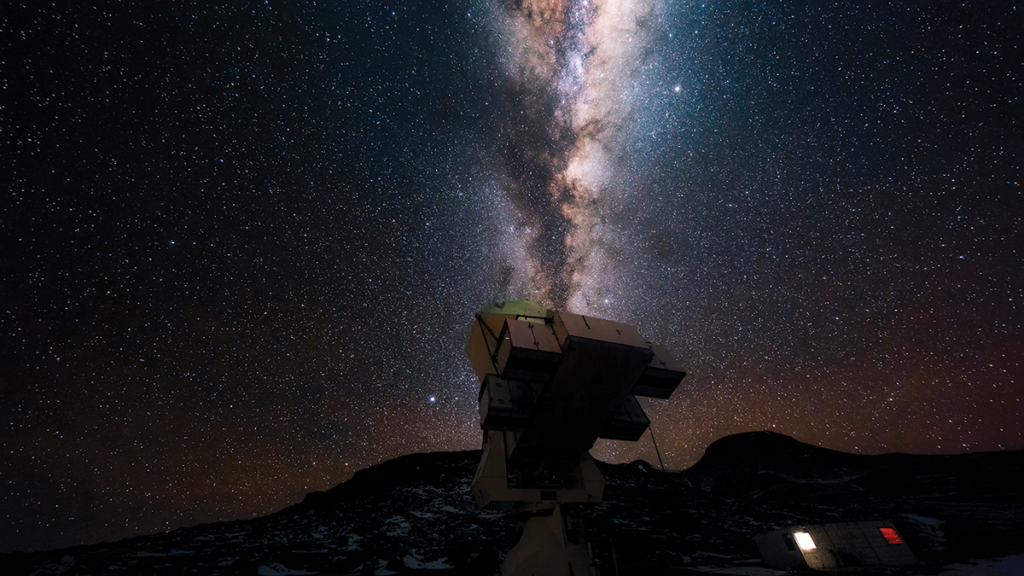
Our mission is to advance the frontiers of mathematics and the basic sciences. We started by giving grants to institutions and individuals at universities through programs administered by our various divisions. Then we went further, creating collaborations of researchers around the world to tackle specific problems and founding the Flatiron Institute, a home for computational science. We began to develop software and share datasets freely with others, and those collaborators went on to provide data to our library, creating a feedback loop to better advance research. We even team up with competitors to create something entirely new, like the Simons Observatory, to more efficiently make discoveries.

5 Puzzles That Continue To Intrigue Us

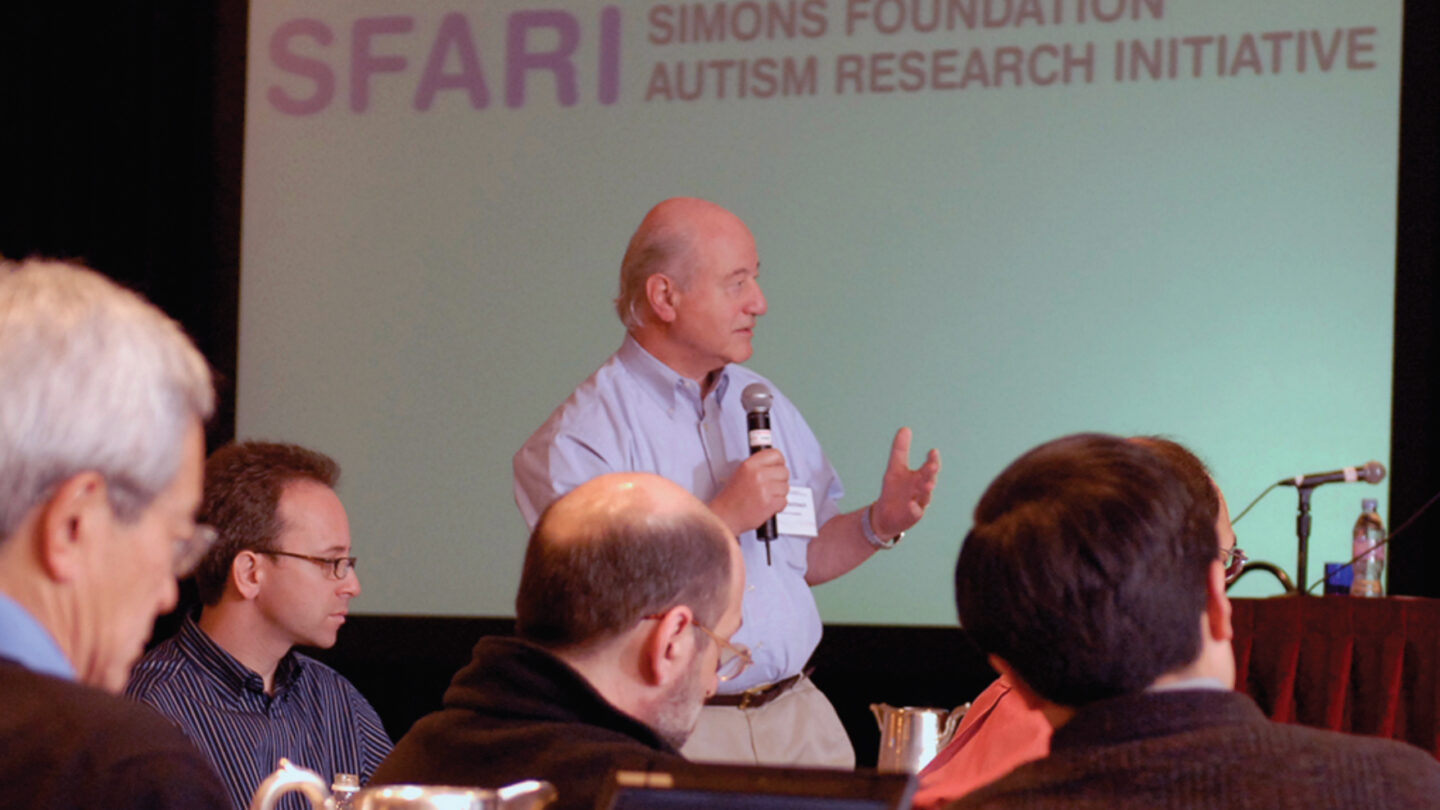
In science and math, the greatest joy lies in solving mysteries, a process that begins with the right questions. And there are many, many questions, some dating back centuries, that have continually intrigued us over the years. Can we figure out how our neurons encode information and communicate with one another to produce intelligence, self-awareness and other traits of a complex brain? Will we understand how so many diverse mutations behind autism produce similar behavioral signs? Can we deduce how time began and how our universe started? How long will it be before we decipher the roles that noncoding areas of our genomes play? Can we ever prove Riemann’s hypothesis about the location of prime numbers? We hope to make progress on these puzzles, but we remain fully aware — even hopeful — that any answers will lead to fascinating new questions.

5 Questions We Hope To Answer in the Next 25 Years

Many discoveries can be made in 25 years, but we have a few favorites. We would love to know how far artificial intelligence and machine learning can go; will this technology be able to do science as we understand it? We want to know how planet Earth went from lifeless to lush, and whether tailored treatments of genetic subtypes of autism are possible. We want to make sense of quantum entanglement so that we can predict the properties of materials and perhaps even home in on a unified theory of physics. We want scientific thinking to become a regular part of our wider culture, and we have a few ideas about how to make that happen.

Behind the Scenes

In December 1994, the Simons Foundation was born — at least in the sense that we got our IRS status as a 501(c)(3). As a philanthropy, we wanted to define our core values and guiding principles — not just for how we fund and do science, but also for how we run our organization day to day. Every one of us contributes to the foundation. You help to define who we are, what we do and how we think about our future.